Flat roofs are common on commercial buildings, townhomes, and modern residential designs. While they appear simple, these roofing systems rely on specialized membranes and drainage design to protect the structure below.
Choosing the right system is especially important for Minnesota roofing projects, where heavy snow, freeze–thaw cycles, and seasonal storms place continuous stress on building materials. Understanding how different flat roofing systems perform helps property owners make informed decisions before investing in a replacement or upgrade.
Understanding Flat Roofing Systems in Minnesota
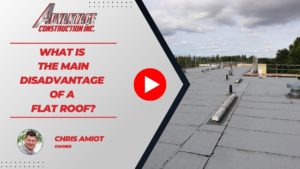
Flat roofs are not completely flat. They are constructed with a slight slope so water can move toward drains, scuppers, or gutters instead of pooling on the roof surface.
According to the U.S. Department of Energy, many low-slope roofs use single-ply membrane systems such as TPO or PVC because these materials provide durable waterproof protection and reflective surfaces that can improve building energy performance. Water penetration must be prevented by good installation and seam integrity because flat roofing systems rely on continuous membrane protection rather than overlapping shingles.
The Three Most Common Flat Roofing Systems
Modern flat roofing systems rely on single-ply membranes engineered to handle water on flat roofs, along with temperature swings and UV exposure. Since water drainage is a key concern, material selection plays a major role in long-term performance and leak prevention.
Contractors usually recommend EPDM, PVC, or TPO membranes based on factors such as building use, drainage design, and maintenance expectations. Understanding the strengths of each material helps property owners evaluate which system fits their building best.
EPDM Roofing Systems
EPDM roofing is a synthetic rubber membrane commonly used on commercial and large residential buildings. Its flexibility allows the material to expand and contract during temperature changes without cracking.
Many property owners working with a roofing contractor in Apple Valley choose EPDM for larger roof areas due to its durability and straightforward maintenance. It remains a reliable option for projects that require consistent, long-term performance in Minnesota’s climate.
PVC Roofing Systems
PVC roofing membranes are frequently installed on buildings that experience grease exposure or chemical discharge. Restaurants and food-service facilities often rely on PVC roofing because the material resists oils and contaminants better than many alternatives.
Another advantage of PVC systems is their heat-welded seams, which create strong bonds between membrane panels. These welded seams help reduce the likelihood of leaks when the system is installed properly and maintained regularly.
TPO Roofing Systems
TPO membranes have become increasingly popular for commercial buildings and high-end residential flat roofs. The material combines flexibility with reflective properties that can help reduce heat absorption.
Many property owners choose TPO because it offers a balance of durability, energy efficiency, and modern seam technology. These features make it a practical option for roof replacements, overlays, and newer building designs.
How Contractors Decide Which Flat Roofing System to Install
Selecting the right roofing system requires evaluating several factors beyond the membrane type. Building structure, drainage design, and environmental exposure all influence which material will perform best.
Professional roof inspections help identify these conditions before installation begins. Contractors typically evaluate several criteria when recommending a system.
Key considerations include:
- Roof slope and drainage layout
- Building usage and rooftop equipment
- Exposure to grease or chemical contaminants
- Long-term maintenance expectations
- Budget and lifecycle cost
Careful evaluation of these factors helps determine which roofing material is best suited for the building. Selecting the right system from the beginning improves long-term reliability and reduces the risk of premature roof failure.
Maintenance Practices That Extend Flat Roof Lifespan
Flat roofs require routine maintenance to prevent small issues from becoming major problems. Because water drains more slowly from low-slope surfaces, debris and standing moisture can accelerate membrane deterioration.
Regular inspections allow property owners to address minor concerns before they lead to leaks or structural damage. Consistent maintenance helps preserve membrane integrity and extend the overall lifespan of the roof.
Recommended maintenance practices include:
- Scheduling annual professional roof inspections
- Clearing debris from drains and gutters
- Checking seams and flashing areas
- Repairing punctures or membrane damage quickly
- Monitoring rooftop equipment areas
Following these maintenance practices helps reduce the likelihood of unexpected roof failures. Consistent upkeep also protects the building structure from long-term moisture intrusion and membrane deterioration.
Professional Flat Roofing Installation in Minnesota
Flat roofing systems depend heavily on installation accuracy. Even high-quality materials can fail early if seams, flashing, or drainage components are installed incorrectly. Advantage Construction provides professional Minnesota roofing services for commercial and residential buildings. Our team evaluates roof structure, drainage design, and building use before recommending the most appropriate flat roofing system.
If you are planning a roof replacement or evaluating the condition of your current roof, contact Advantage Construction today. Consulting an experienced Minnesota contractor helps ensure your roofing system is designed to withstand the region’s demanding weather conditions.