
Deciding between roof repair and replacement is one of the most important choices a homeowner can make. A repair may seem more affordable in the short term, while replacement feels like a major investment. The right answer depends on the roof’s condition, age, and long-term performance, not just today’s budget. Understanding how professional contractors evaluate roofs helps remove uncertainty from the process. As a trusted Minneapolis roofing contractor, Advantage Construction assesses every project based on measurable factors, structural integrity, and future risk, not guesswork.
Why Roof Damage Escalates Faster Than Many Homeowners Expect
Roof problems rarely stay small. According to the Insurance Information Institute, water damage and freezing are among the leading causes of homeowner insurance claims each year.
Roofs are the main defense against moisture, so even small leaks can result in insulation damage, mold growth, and structural issues. Failing to address minor repairs can lead to bigger problems. This is why contractors view the roof repair vs. roof replacement decision through the lens of long-term risk, prioritizing prevention of water intrusion over merely patching visible damage.
Key Factors Contractors Evaluate Before Recommending a Solution
Professional roofing contractors rely on objective criteria when deciding whether a roof should be repaired or replaced. No single issue determines the outcome; it’s a combination of structural, financial, and lifespan considerations.
Roof Age and Remaining Lifespan
Most roofing systems have a projected service life based on material type and installation quality. If a roof is near the end of its expected lifespan, even minor damage may justify replacement rather than continued patchwork.
For example, repairing a 20-year-old asphalt roof with widespread wear may only delay the inevitable. Contractors assess how many years of reliable performance remain before recommending investment in repairs. Evaluating remaining lifespan ensures homeowners avoid repeatedly spending on short-term fixes.
Extent and Pattern of Damage
Is the damage isolated to one section, or does it appear in multiple areas? Contractors inspect for:
- Widespread shingle deterioration
- Granule loss
- Flashing separation
- Decking soft spots
- Water staining in attic spaces
Localized storm damage may be repairable. However, systemic deterioration across the roof surface often signals deeper issues. Understanding whether damage is cosmetic, structural, or moisture-related plays a major role in determining the correct path forward.
History of Previous Repairs
Repeated repairs in the same area indicate that the roof system may no longer perform reliably. When a homeowner has already invested in multiple fixes, contractors evaluate whether continued repair is economically sensible.
If problems persist despite maintenance, replacement often provides better long-term value and stability. In some cases, delays can lead to the need for emergency roof replacement, which is typically more disruptive and costly. This is where the conversation about the cost of neglecting roof maintenance becomes important. Small issues left unaddressed early can lead to larger failures later.
Structural Integrity and Underlayment Condition
Surface materials are only part of the equation. Contractors also examine:
- Roof decking condition
- Moisture levels beneath shingles
- Underlayment integrity
- Ventilation performance
If structural elements show signs of rot, sagging, or long-term moisture damage, repair alone may not be sufficient. A thorough inspection ensures that recommendations are based on total system health, not just visible damage.
Repair vs. Replacement: What Each Option Really Means
Understanding the scope and long-term impact of each choice helps clarify the financial decision.
What Roof Repair Involves
Roof repair typically addresses targeted issues such as:
- Replacing missing or damaged shingles
- Sealing flashing gaps
- Repairing minor leaks
- Reinforcing small damaged sections
Repairs are generally less expensive upfront and appropriate when damage is localized, and the roof still has substantial life remaining. However, repair does not reset the roof’s age or extend its lifespan beyond its material limitations.
What Roof Replacement Involves
While more costly initially, roof replacement provides a fresh lifespan and improved performance. It can also increase home value and improve energy efficiency when ventilation and insulation are optimized.
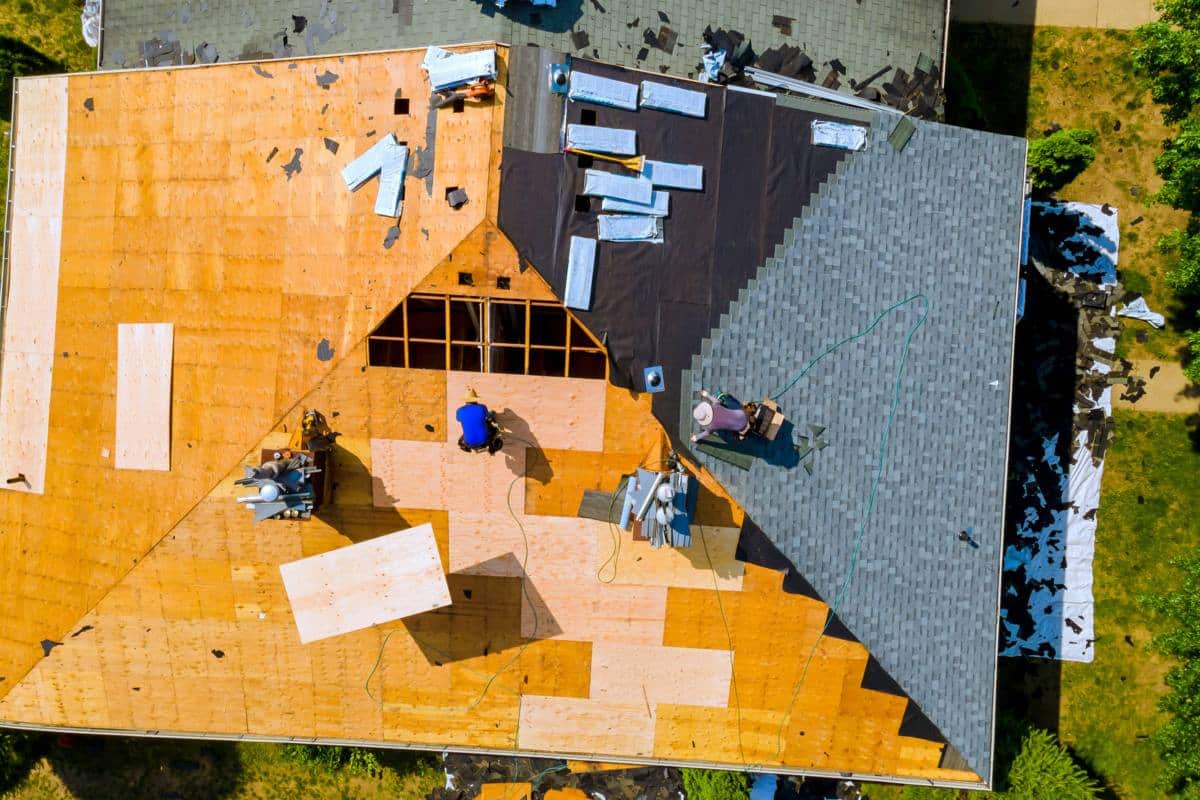
- Removing old materials
- Inspecting decking
- Installing new underlayment
- Installing new roofing materials
- Updating ventilation if needed
When evaluating whether it is cheaper to repair or replace a roof, contractors often look beyond immediate expense and consider long-term reliability and cumulative repair costs.
Cost Considerations: Short-Term vs. Long-Term Value
The financial question is central to every roofing decision. Repairs may cost significantly less upfront, but repeated fixes can add up quickly, especially if underlying issues persist.
Replacement typically requires a larger initial investment, but it:
- Eliminates recurring repair expenses
- Reduces risk of interior water damage
- Protects insulation and structural framing
- May improve resale value
Contractors help homeowners weigh repair costs against replacement costs. If repairs hit 30–50% of the roof replacement cost, replacement is typically wiser to protect long-term property value.
How Minnesota’s Climate Influences the Decision
Roof repair and restoration in Minnesota requires careful consideration of regional weather patterns. Freeze-thaw cycles, heavy snow loads, hailstorms, and wind events accelerate wear on roofing systems.
An experienced Minneapolis roofing contractor evaluates:
- Ice dam damage potential
- Shingle brittleness from cold temperatures
- Wind uplift risk
- Storm-related impact damage
These climate factors can shorten roof lifespan and influence whether repair is sufficient. Local expertise ensures that recommendations are grounded in environmental reality, not generic assumptions.
How Advantage Construction Approaches Repair vs. Replacement
At Advantage Construction, every roofing project begins with a detailed inspection and transparent explanation of findings. We assess:
- Structural integrity
- Surface condition
- Ventilation performance
- Repair history
- Remaining lifespan
We present both repair and replacement options when appropriate, outlining the pros, cons, and cost implications of each path. Whether you need targeted repairs or a full system replacement, our recommendations are rooted in protecting your property for the long term.
Choose the Right Roofing Solution with Confidence
The decision between roof repair and replacement is rarely simple, but it should always be informed. By evaluating age, damage patterns, structural health, and climate exposure, professional contractors determine the most practical and cost-effective path forward.
If you’re weighing roof repair vs. roof replacement and want an honest, expert evaluation, Advantage Construction is ready to help. Contact Advantage Construction today and gain clarity on the right solution for lasting protection and peace of mind.