

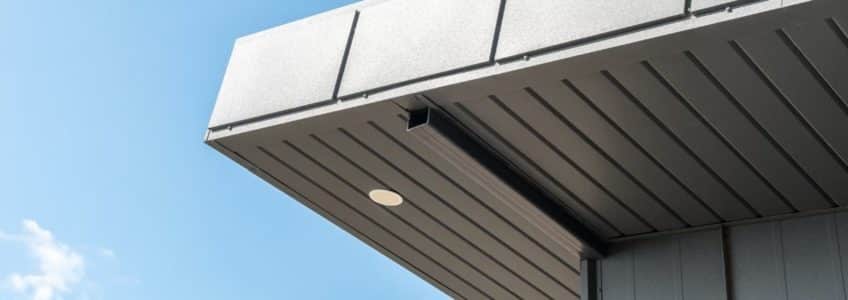
How Roof Overhangs Help Prevent Water Damage in Storms
During a strong storm, it’s not just your roof or siding that needs to hold up against the elements—roof overhangs are one of the most effective yet overlooked features when shielding your home. These roof extensions go beyond the outer walls, helping direct rainwater away from your home’s siding, windows, and foundation. Without properly designed and maintained overhangs, water can pool around the structure, leak into wall systems, and cause …Read More

How Long Can Roof Underlayment Be Exposed?
Short answer: most synthetic roof underlayment is rated for 60 to 180 days of sun exposure, depending on the product. Traditional asphalt felt should be covered with shingles right away. Those numbers only describe how long the sheet resists sunlight. They do not mean the roof is watertight for that long, and no shingle manufacturer treats underlayment as a temporary roof.
Below are the published limits for the products we see …Read More

How to Choose the Best Metal Roof Underlayment for Your Home
Roof underlayment is a crucial component for any roofing system, but it is especially important when installing a metal roof. Serving as a protective barrier, it prevents moisture from infiltrating and damaging your home while enhancing the durability and performance of your metal roof. Generally, the underlayment is installed directly on the roof deck, which is typically made of oriented strand board (OSB) or plywood, before the metal panels are …Read More