
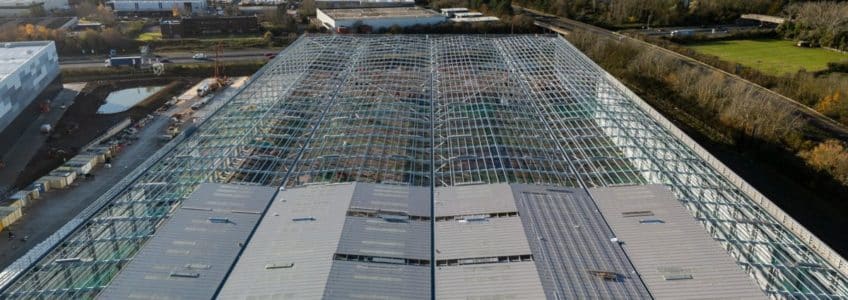
Choosing the right roofing material for a commercial building is one of the most important investments a property owner will make. The material you select affects not only the roof’s longevity but its energy performance, maintenance needs, and overall cost over time. To help guide your decision, this article breaks down the most common commercial roofing materials, outlines how to evaluate them, and shows why selecting the best option for your building matters. As a trusted Minneapolis roofing contractor, Advantage Construction brings decades of experience to help you find a long-term roofing solution that fits your needs.
Commercial Roofing Material: Why the Choice Matters
When it comes to commercial roofing, the material isn’t just a surface; it’s the first line of defense against weather, moisture, and wear. What you choose now can influence your roof’s performance for decades.
One key industry trend illustrates this: Thermoplastic Polyolefin (TPO) has become one of the most widely installed commercial roofing membranes, largely because of its strong balance of lifespan, energy reflectivity, and cost-effectiveness. This kind of insight matters because different roofing materials perform very differently under stressors like sun exposure, temperature swings, and foot traffic.
Your roofing material directly impacts:
- How often repairs are needed
- How well the roof handles local weather conditions
- How much you spend on energy costs
- The overall lifecycle value of your investment
Before making a decision, it’s important to understand the strengths and limitations of the main roofing materials available.
Commercial Roofing Types & What They Do
Commercial roofing materials fall into several key categories, each with unique benefits and considerations. Below is an overview of the most common systems used today, along with their characteristics and practical applications.
Single-Ply Membranes (TPO, PVC, EPDM)
Single-ply membranes are among the most widely used commercial roofing materials in North America thanks to their durability and relative ease of installation. These membranes are typically installed in large sheets and mechanically fastened or fully adhered to the roof deck.
- Thermoplastic Polyolefin (TPO) is popular for its combination of energy efficiency and reflective properties, which can help reduce cooling costs.
- Polyvinyl Chloride (PVC) is known for its chemical resistance and strong seam integrity, making it suitable for industrial settings.
- EPDM (rubber membrane) provides a waterproof and cost-competitive option for flat or low-slope roofs.
When installed correctly, single-ply membranes offer good protection against moisture and UV exposure. However, they must be installed by experienced professionals to ensure seams are tight and the membrane is properly bonded.
Built-Up Roofing (BUR)
Built-Up Roofing, often called BUR, is a classic commercial roofing system composed of multiple layers of asphalt and felt. These layers create redundancy that resists water penetration and adds strength.
BUR has a long track record of performance and is known for its rugged durability. It performs well in conditions where consistent waterproofing is critical. That said, BUR systems are heavier and can be more labor-intensive to install, which may increase installation time and upfront cost. Because BUR systems include multiple layers, ongoing maintenance is vital to ensure the layers remain watertight over time.
Modified Bitumen Roofing
Modified bitumen has evolved from built-up roofing and combines asphalt with modifiers that improve flexibility and toughness. It’s a sheet-applied membrane system often used on low-slope commercial roofs.
This material performs particularly well under thermal cycling when a roof expands during heat and contracts in cold conditions. It’s a strong choice when durability and resistance to foot traffic are priorities. The installation should be completed by professionals with specific experience in modified bitumen systems to ensure all seams are properly sealed.
Metal Roofing Systems
Metal roofing stands apart for its longevity and low long-term maintenance needs. Commercial metal roofs can last 40 years or more when installed and maintained correctly.
Metal roofs are especially strong in areas subject to extreme weather, including high winds and heavy snow loads. Their reflective surface also helps reduce heat absorption, contributing to lower energy costs. The initial cost is typically higher than single-ply membranes or modified bitumen, but long lifespan and durability can make metal an excellent long-term value. Installation quality is critical; even the best material will underperform if seams, fasteners, or flashing details are not done properly.
How to Decide What’s Best for Your Building’s Roof
Choosing a roofing material isn’t just about picking the most durable or cheapest option. It’s about matching the material’s characteristics to your building’s specific needs. To help you evaluate roofing options effectively, consider the following factors:
Roof Slope & Design
The pitch of your roof plays a big role in material performance. Flat and low-slope roofs tend to perform best with membrane systems like TPO, PVC, or EPDM because water can sit longer without quickly shedding. In contrast, metal systems may be more appropriate when the pitch increases.
Thinking about slope early helps ensure you choose a material that provides water protection tailored to your roof’s unique design.
Local Climate & Weather Exposure
Here in Minnesota, rooftops are tested by harsh winter weather, wide temperature swings, and seasonal storms. A roofing material that works well in moderate climates may not hold up under repeated freeze-thaw cycles and heavy snow loads.
Materials like TPO and metal fare well in these environments when properly installed. It’s essential to consider how your chosen system expands, contracts, and manages moisture through these transitions.
Budget vs. Lifecycle Value
Short-term cost is one piece of the puzzle, but lifecycle value gives you the full picture. Cheaper materials might cost less initially, but they may require more frequent repairs or replacements, driving up lifetime cost.
On the other hand, higher-end materials like metal may cost more upfront but deliver decades of performance with lower maintenance expenses. Advantage Construction can help you balance upfront budget with long-term value based on your facility’s needs and ownership goals.
Energy Performance & Insulation Impact
Commercial roofs do more than shed water; they help regulate temperature. White or reflective membrane systems, such as TPO and PVC, are designed to reduce heat absorption, which can lower cooling costs during Minnesota summers.
Systems with high reflectivity and thermal performance contribute to ongoing savings, which is especially meaningful for large commercial buildings with significant HVAC loads.
Questions Every Property Owner Should Ask Before Choosing a Material
Before committing to a roofing material, it’s important to ask your contractor the right questions. The answers help you assess performance expectations and avoid costly surprises later.
- What is the expected lifespan of this roofing material in our climate?
- How does this material perform in extreme weather?
- What are the maintenance requirements for this roof type?
- How will energy performance differ between available options?
As a Minneapolis roofing contractor with deep local experience, Advantage Construction helps you explore these questions with data, examples, and real-world outcomes.
Why Advantage Construction Is the Right Choice for Your Commercial Roofing Project
Selecting the best commercial roofing material is only part of the story; how it’s installed and maintained matters just as much. Advantage Construction brings decades of experience serving the Minneapolis area with top-tier commercial roofing services, including:
- Material selection guidance based on real building needs
- Professional installation backed by manufacturer standards
- Routine inspections and commercial roof maintenance plans
- Warranty support and transparent communication throughout the process
Our team takes the guesswork out of roofing decisions so you can be confident in your investment.
Make the Smart Choice for Your Commercial Roof with Expert Guidance
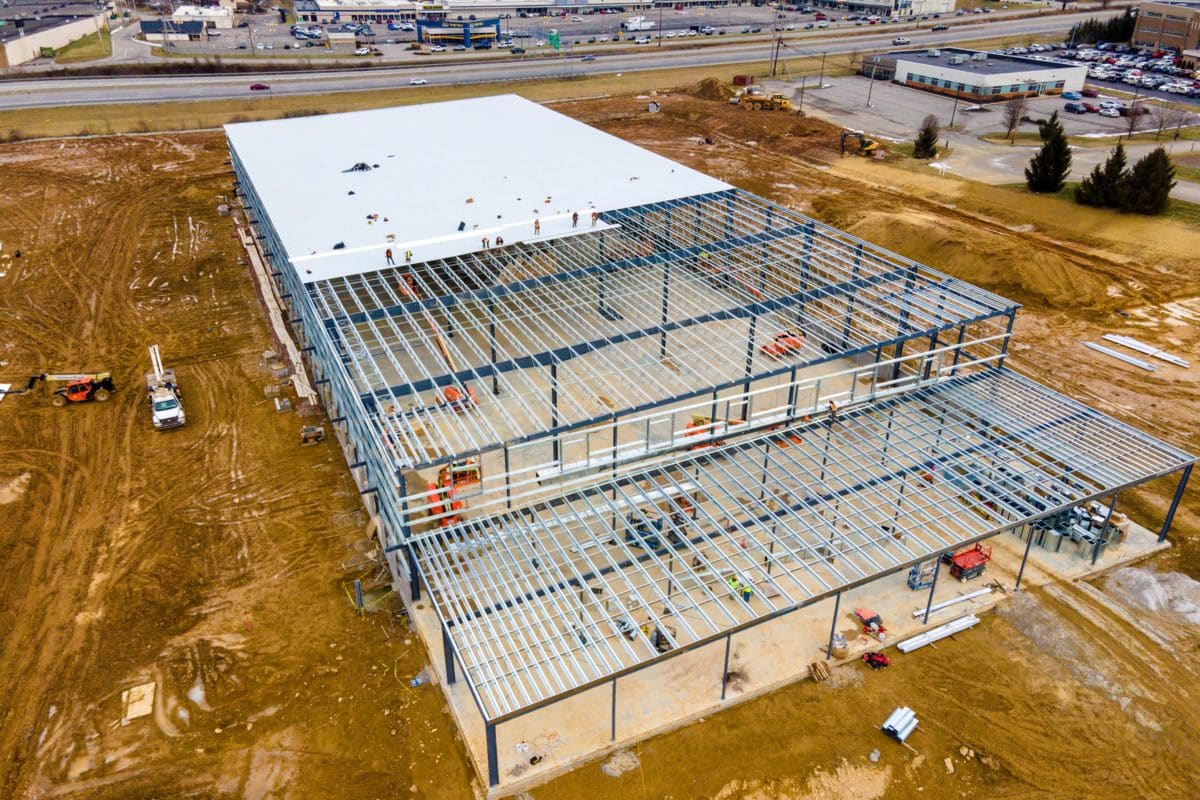 Choosing the best commercial roofing material for your building is a critical decision that affects performance, cost, and peace of mind for years to come. With a variety of options, it’s important to weigh durability, weather resilience, energy performance, and lifecycle cost.
As your Minneapolis roofing contractor, Advantage Construction combines local expertise with proven commercial roofing solutions to help you make the most informed decision possible. Whether you’re replacing an aging roof or planning a new installation, our team is ready to guide you with confidence and clarity. Contact Advantage Construction today for a free commercial roofing consultation and material recommendation tailored to your building’s unique needs.