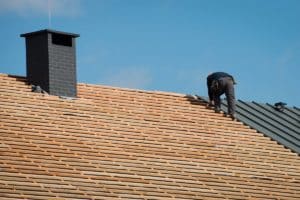
When evaluating roofing options, one of the most important questions homeowners ask is how long synthetic shingles last compared to traditional materials. Lifespan directly affects long-term cost, maintenance, and overall value.
In Minnesota, this question becomes even more important. Weather conditions such as freeze–thaw cycles, snow buildup, and ice dams can significantly shorten the life of a roof if materials and installation are not properly matched to the environment.
Comparing the Lifespan of Synthetic and Asphalt Shingles
Understanding how long each material lasts helps homeowners make more informed decisions about roofing investments. While both options serve similar purposes, their durability and performance timelines differ.
To evaluate whether upgrading is worthwhile, consider that synthetic shingles are crafted to mimic the appearance of premium materials while providing enhanced durability. In many cases, they are engineered to last longer than standard asphalt shingles, especially when exposed to fluctuating temperatures.
Typical Lifespan of Synthetic Shingles
Synthetic shingles are built using advanced materials that resist cracking, moisture absorption, and UV degradation. Because of this, they tend to maintain structural integrity longer than traditional roofing products.
When properly installed and maintained, synthetic shingles can provide extended performance beyond standard roofing systems. Their resistance to environmental stress makes them a strong option for long-term durability.
Typical Lifespan of Asphalt Shingles
Asphalt shingles remain the most common choice due to their affordability and consistent performance. However, their lifespan is generally shorter, particularly in regions with demanding weather conditions.
Though asphalt shingles last long enough for many homeowners, their performance in Minnesota is often affected by seasonal expansion and contraction. Over time, this can lead to granule loss, brittleness, and reduced weather resistance. While both materials perform well when installed correctly, synthetic shingles typically offer a longer service life under similar conditions.
How Minnesota Weather Impacts Roof Longevity
Climate plays a major role in determining how long any roofing system will last. Minnesota’s environment places unique stress on both synthetic and asphalt materials.
Repeated exposure to temperature swings can weaken roofing components over time. Materials expand in the heat and contract in the cold, creating ongoing stress that affects durability.
Freeze-Thaw Cycles and Material Stress
Freeze-thaw cycles are one of the most damaging factors for roofing systems. Moisture can enter small gaps, freeze, and expand, causing materials to shift or crack.
Synthetic shingles are generally more resistant to this type of stress due to their flexibility. Asphalt shingles, on the other hand, can become brittle over time, increasing the likelihood of cracking.
Ice Dams and Moisture Intrusion
Ice dams are a common issue in Minnesota and can significantly impact roof lifespan. When water backs up under shingles, it creates moisture exposure that weakens materials and underlying structures.
Both synthetic and asphalt shingles require proper installation and occasional professional ice dam removal to prevent this issue. Without adequate protection, even durable materials can experience reduced lifespan.
Why Installation Quality Has a Major Impact on Lifespan
Material selection is important, but installation quality often determines how long a roof actually lasts. Even high-performance materials can fail early if installed incorrectly.
Proper roof installation ensures that all components work together as a system. This includes underlayment, ventilation, flashing, and insulation.
Key Installation Factors That Affect Longevity
Several installation elements directly influence how well a roof performs over time:
- Proper ventilation, which reduces heat and moisture buildup
- Accurate flashing installation, preventing water intrusion
- High-quality underlayment, adding an extra layer of protection
- Correct fastening methods, ensuring material stability
These details are especially important in Minnesota roofing, where environmental stress is higher than in milder climates.
How Workmanship Affects Long-Term Performance
Workmanship can either extend or shorten the lifespan of a roof, regardless of material. Poor installation often leads to issues such as leaks, uneven wear, and premature deterioration.
A well-installed asphalt roof can outperform a poorly installed synthetic system. This highlights the importance of working with an experienced Minnesota contractor who understands local conditions. Focusing on installation quality ensures that the full lifespan potential of any material is achieved, keeping consumer investments protected under standard roofing warranties explained in your service agreement.
Which Material Holds Up Better Over Time?
Both synthetic and asphalt shingles have their place, but their long-term performance differs depending on homeowner priorities and environmental exposure.
Synthetic shingles tend to perform better in situations where durability and longevity are the primary goals. Their resistance to cracking and moisture makes them well-suited for homes exposed to harsh weather conditions.
Asphalt shingles remain a practical choice for homeowners focused on affordability and proven reliability. While their lifespan may be shorter, they still offer dependable protection when properly maintained.
Situations Where Each Material Makes Sense
Choosing between these materials often depends on how the roof will be used over time:
- Synthetic shingles are ideal for long-term homeowners seeking extended durability
- Asphalt shingles work well for budget-conscious projects or shorter ownership timelines
- Homes exposed to extreme weather benefit more from higher-performance materials
- Properties with lower maintenance tolerance may favor longer-lasting options
Matching the material to your goals helps ensure the best overall outcome.
How to Get the Most Life Out of Your Roof
To extend a roofing system’s lifespan, proper care and planning are essential. Regular inspections can catch small issues early, and maintaining good ventilation and insulation reduces stress on the materials. Avoiding shortcuts during installation is crucial. When you work with Advantage Construction, investing in quality workmanship reduces early repairs or replacements and maximizes the value of both synthetic and asphalt roofing systems.
Talk to a Minnesota Roofing Team That Understands Longevity
If you’re evaluating how long synthetic shingles last compared to asphalt, the answer depends on more than just material choice. Climate, installation quality, and long-term planning all play a role in actual performance.
At Advantage Construction, we help homeowners choose roofing systems based on real-world conditions in Minnesota. Our team focuses on proper installation, durable materials, and long-term value. Contact Advantage Construction today to schedule your free estimate and work with a trusted Minnesota contractor who builds roofs designed to last.