Roofing materials have evolved significantly in recent years. Many homeowners are now exploring synthetic shingles as an alternative to traditional asphalt roofing because of their durability, appearance, and long-term performance.
For Minnesota homes that experience severe winters, hailstorms, and temperature swings, roofing materials must withstand demanding conditions. Understanding the benefits of synthetic roofing helps homeowners decide whether upgrading from asphalt shingles is a practical investment.
Why Synthetic Shingles Are Becoming More Popular
Synthetic shingles are designed to replicate the look of premium roofing materials such as slate, cedar shake, or architectural shingles while offering improved durability and lower maintenance.
Unlike natural materials, synthetic roofing products are typically made from engineered polymers or composite materials that resist moisture, cracking, and weather-related damage.
Many modern synthetic roofing materials are engineered to withstand severe weather conditions while maintaining structural stability and long-term durability. These properties make synthetic shingles an increasingly attractive option for homeowners looking for performance and aesthetic flexibility.
Design Options and Visual Appeal
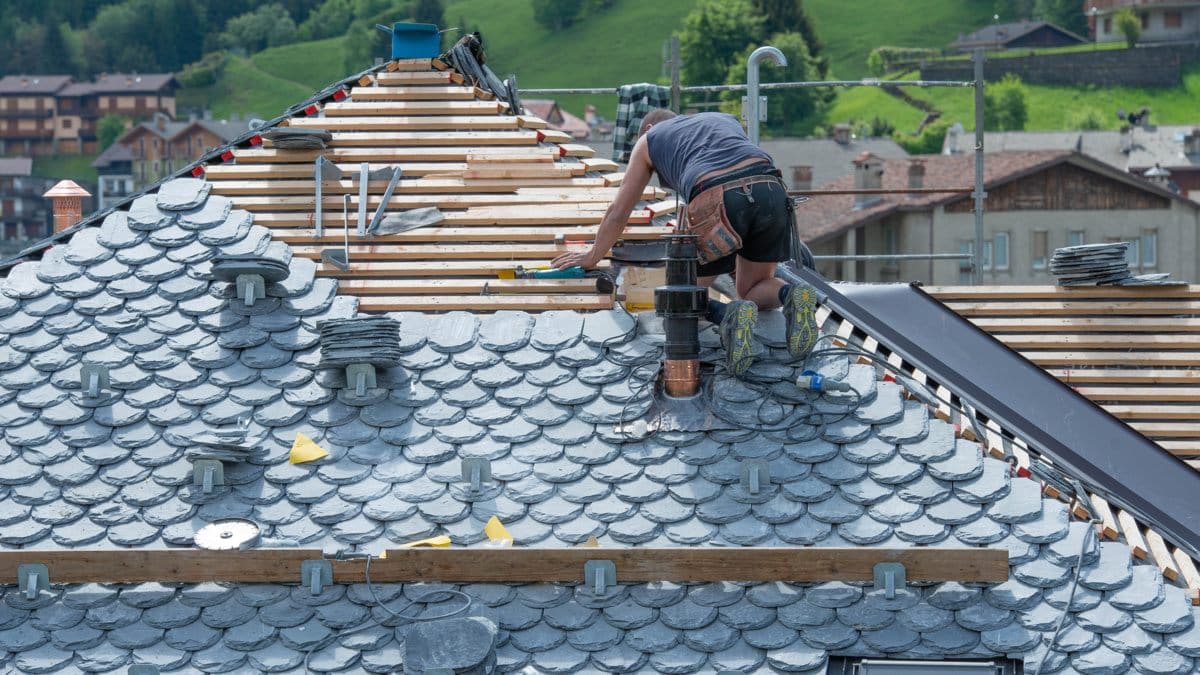
One major advantage of synthetic shingles is the wide range of design options available. Many products are manufactured to replicate the appearance of high-end roofing materials.
Homeowners can often choose styles that resemble:
- Cedar shake roofing
- Natural slate tiles
- Architectural asphalt shingles
- Textured dimensional roofing
These options allow homeowners to enhance curb appeal while maintaining the durability of modern roofing materials.
What Problems Synthetic Shingles Solve Compared to Asphalt
Traditional asphalt shingles remain one of the most common roofing materials in Minnesota. However, asphalt roofing systems can experience gradual deterioration due to weather exposure and aging. Synthetic shingles address several common limitations associated with asphalt roofing systems.
Synthetic roofing materials often provide several performance benefits, including:
- Improved resistance to cracking or splitting
- Reduced moisture absorption
- Better resistance to hail impacts
- Lighter weight compared to natural slate
- Longer manufacturer warranties in some cases
These advantages can help synthetic shingles maintain their appearance and performance longer than standard asphalt products.
Who Benefits Most from Upgrading to Synthetic Roofing
While synthetic shingles offer many benefits, they are not necessarily the right choice for every homeowner. The decision often depends on the condition of the existing roof and the long-term goals for the property.
Homeowners who prioritize durability, design flexibility, and long-term performance often consider synthetic roofing during roof replacement projects.
Situations Where Synthetic Roofing Makes Sense
Upgrading to synthetic shingles may be particularly beneficial for:
- Homeowners planning long-term property ownership
- Homes exposed to severe weather conditions
- Properties where curb appeal is a priority
- Homeowners replacing older asphalt roofing systems
- Houses with complex roof designs
These situations often justify the higher upfront investment associated with synthetic roofing materials.
How Synthetic Shingles Compare in Lifespan
Lifespan is one of the main factors homeowners consider when evaluating roofing materials. While asphalt shingles typically provide reliable protection for many years, synthetic roofing products are often designed for longer service life. Synthetic materials are engineered to resist environmental stress that can shorten the lifespan of conventional shingles.
Several factors influence how long a roof lasts, regardless of the material used. These factors include installation quality, ventilation and attic airflow, exposure to storms and hail, maintenance practices, and roof slope and drainage. Proper installation and regular inspections remain essential for maximizing the lifespan of any roofing system.
When the Extra Cost of Synthetic Roofing Makes Sense
Synthetic shingles generally cost more than traditional asphalt roofing systems. However, homeowners often evaluate roofing decisions based on long-term value rather than upfront cost alone.
If synthetic materials last longer and require fewer repairs, the investment may become more cost-effective over time.
Factors That Affect Long-Term Value
Several considerations help determine whether synthetic roofing provides strong long-term value. Homeowners often evaluate:
- Expected lifespan of the material
- Maintenance requirements
- Warranty coverage
- Home resale value
- Resistance to weather damage
Considering these factors helps homeowners determine whether upgrading to synthetic shingles is the right decision for their property. Unsure whether your current roof damage requires a minor fix or a total overhaul? Learn how structural codes and the 25% rule for standard roofing could impact your upcoming project.
Maintenance Tips for Synthetic Shingle Roofs
Although synthetic roofing systems are designed to require less maintenance, routine inspections still help protect long-term performance. Partnering with trusted local roofing pros for regular evaluations ensures small issues are identified before they become larger problems.
Homeowners can help protect their roof by:
- Scheduling periodic roof inspections
- Removing debris from roof surfaces
- Keeping gutters clear for proper drainage
- Checking flashing and roof penetrations
These simple steps help extend the lifespan of synthetic roofing systems while protecting the home’s structure.
Explore Synthetic Roofing Options for Your Home
Choosing the right roofing material plays a major role in the long-term protection and appearance of your home. Synthetic shingles offer remarkable durability, stylish options, and superior weather resistance, making them an excellent choice for Minnesota’s unique climate.
Advantage Construction provides professional Minnesota roofing consultations and installation services to help homeowners choose the best roofing system for their property. Contact Advantage Construction today to learn whether upgrading to synthetic shingles is the right choice for your home.