
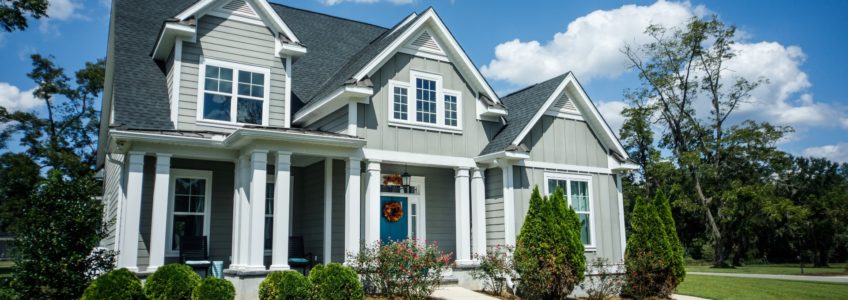
Short answer: the Hardie board sold today, a fiber cement siding made without asbestos, was developed by James Hardie in Australia in the mid-1980s. It was first shipped to the United States from Australia, and the company opened its first U.S. fiber cement plant in 1989. The company itself is much older. It started in 1888.
Hardie Board Timeline
| Year | What happened |
|---|---|
| 1888 | James Hardie moves from Scotland to Melbourne, Australia, and starts a trading business. |
| 1903 | The business begins importing fiber cement roofing slates from France. These early products were made with asbestos. |
| World War I | Imports dry up, and the company starts making fiber cement sheet in Australia. |
| 1951 | The company lists on the Australian stock exchange. |
| Mid-1980s | James Hardie develops fiber cement without asbestos, using wood (cellulose) fiber instead. This is the material sold as Hardie board today. |
| 1989 | The company sets up its first fiber cement plant in the United States. Before that, U.S. orders were filled from Australia. |
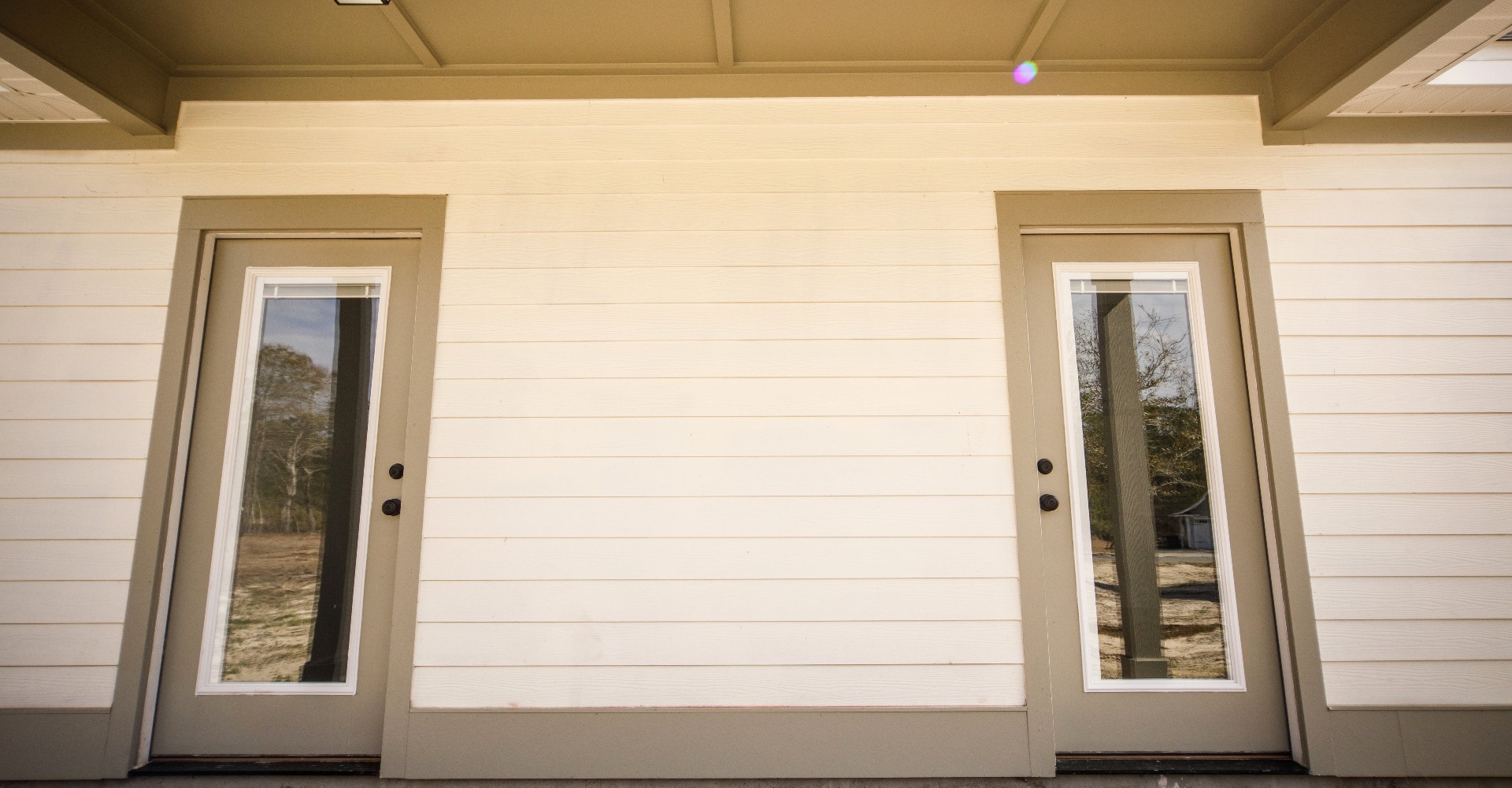
| Today | James Hardie sells siding, trim, and soffit made for specific climates, with factory-applied color available. |
Sources: James Hardie company history, the Australian Dictionary of Biography, and the University of Melbourne’s Technology in Australia record.
Who Was James Hardie?
James Hardie was a Scottish businessman who arrived in Melbourne in 1888 and set up as an importer. His early trade was in oils and supplies for leather tanning. A fellow Scot, Andrew Reid, later joined him and became the second major figure in the company’s history.
The turn toward building products came in 1903, when the firm took on the agency for fiber cement slates made in France. The sheets held up to heat and termites, which made them popular in Australia. When World War I cut off supply, the company began making the product locally.
From Asbestos Cement to Modern Fiber Cement
The original fiber cement used asbestos as the reinforcing fiber. That was standard across the industry for most of the 20th century, and its health effects are well documented. James Hardie spent years working to replace it and by the mid-1980s had a new product reinforced with cellulose fiber instead.
Modern Hardie board is made largely of Portland cement, sand, and wood fiber. It contains no asbestos.
One thing to know if you own an older home: cement-based siding installed before the 1980s, from any manufacturer, may contain asbestos. It cannot be identified by eye. If you plan to remove or cut old cement siding, have it tested first.
When Did Hardie Board Come to the United States?
James Hardie first supplied U.S. customers with product shipped from Australia. In 1989 it set up its first U.S. fiber cement plant, and it expanded through the 1990s as fiber cement caught on with builders. HardiePlank lap siding became the company’s best-known product. Today the company’s management is based in Chicago, and it is the largest fiber cement manufacturer in the world.
What Has Changed Since Then
- Climate-specific boards. James Hardie now makes different formulations for different regions. Minnesota gets the HZ5 product, which the company describes as engineered for freezing temperatures, large seasonal swings, snow, and ice.
- Factory color. ColorPlus Technology is a finish baked on at the factory in multiple coats, as an alternative to painting primed boards on site.
- A full exterior line. Lap siding, vertical panels, shingle-style siding, trim, and soffit are all made from the same material.
What It Is Made Of and Why It Lasts
Because the board is mostly cement and sand, it does not burn, and it does not give termites or woodpeckers anything to eat. James Hardie lists it as noncombustible and resistant to rot, swelling, and pest damage. It is heavier and takes more labor to install than vinyl, and it needs correct flashing and clearances to perform, so the installer matters as much as the product. If your home is older, see our guide to the best siding options for older homes.
What the Warranty Covers
- Siding, trim, and soffit boards: a 30-year limited warranty that is transferable and not prorated.
- ColorPlus finish: a separate 15-year limited warranty covering peeling, cracking, and chipping. Coverage on the finish is reduced each year after the first.
Both warranties depend on the product being installed to James Hardie’s written instructions. Read the current warranty documents on jameshardie.com before you buy.
Frequently Asked Questions
When did Hardie board come out?
The asbestos-free fiber cement sold today was developed in the mid-1980s in Australia. U.S. manufacturing began in 1989.
When was James Hardie founded?
1888, in Melbourne, Australia.
Does Hardie board contain asbestos?
No. Hardie board made since the mid-1980s uses cellulose fiber. Older cement siding from any brand may contain asbestos and should be tested before it is disturbed.
Is Hardie board the same as fiber cement?
Hardie board is a brand of fiber cement. Other companies make fiber cement siding too, but James Hardie developed the modern version and is the largest maker.
Is Hardie board a good fit for Minnesota?
Yes, it is a common choice here. The HZ5 boards are made for cold climates. See our guides to siding for cold climates and the best siding materials for Minnesota homes for how it compares.
Thinking About James Hardie Siding?
Advantage Construction installs James Hardie siding across the Twin Cities metro. We can show you samples, explain primed versus ColorPlus boards, and give you a written estimate. Read what makes James Hardie siding a strong choice, see our siding services, or contact us for a free estimate.