Cold weather does not stop exterior projects, but it does change how they need to be handled. Yes, siding can be installed in a Minnesota winter, and it is done regularly. The limit is set by the material, not the calendar: vinyl turns brittle in the cold and needs wider expansion gaps, while engineered wood like LP SmartSide handles low temperatures with far fewer restrictions.
At Advantage Construction, we install siding through Minnesota winters and adjust the work accordingly, wider gaps at butt joints and trim, slower cutting to avoid chipping, and materials kept warm until the moment they go up. Those adjustments are what separate a winter install that holds through spring from one that buckles in April.
When Siding Installation Is Possible in Winter
Siding installed in January will sit through a 100-degree temperature swing before its first summer. Everything about a winter install works backward from that fact.
Materials go on at their most contracted. As they warm, they need somewhere to go, which is why spacing and fastening are the two decisions that matter most in cold weather.
Temperature Conditions That Matter Most
Roughly 40°F is the line where vinyl behavior changes. Below it, the material stiffens and is more likely to chip or crack when cut or nailed, and manufacturers call for wider clearance at ends and trim than a summer install would use.
Sealants have their own limit. Most standard exterior caulk will not cure properly below 40°F, so cold-weather work either uses a low-temperature formulation or leaves the sealing until spring.
Why Winter Installs Require Adjustments
A gap that looks correct at 20°F is a gap that closes by June. Winter installs use wider clearance at ends, trim, and around openings for exactly that reason, and skipping the adjustment is the most common cause of spring buckling.
Fastening changes, too. Nails are set to leave the panel hanging rather than pinned tight, so the siding can move as it warms. On brittle material, that often means slowing down and controlling depth by hand rather than running a gun at full speed.
Materials That Perform Better in Cold Weather
Material choice does more to determine winter feasibility than any other factor. Two products installed on the same day in the same weather can carry very different levels of risk. If you are still deciding, it is worth reviewing how the common options compare on durability before you commit to a winter schedule.
Why LP Siding Performs Well in Winter
LP SmartSide is engineered wood, and it does not stiffen in the cold the way vinyl does. It cuts cleanly at low temperatures and takes a fastener without chipping, which removes the single biggest source of winter jobsite damage.
Its expansion rate is also lower, so the spacing does not swing as dramatically between a February install and a July afternoon. That is what makes it our default recommendation for siding work scheduled through a Minnesota winter.
Materials That Require More Caution
Vinyl is the material that demands the most care. Cold panels chip at the cut line and crack at the nail hem, and both failures are permanent; a damaged panel gets replaced, not repaired.
Fiber cement is workable in the cold but heavy, and cutting it in the wind and snow raises the dust and handling risks the crew has to manage. Older homes introduce a third variable, since what lies behind the existing siding is often unknown until the wall is opened.
When Winter Is the Right Time to Move
Some projects should not wait. A fall hailstorm or a windstorm that tears panels off leaves the sheathing exposed, and an exposed wall through a Minnesota winter is a moisture problem that grows every thaw. In those cases, installing in January is the lower-risk option.
Insurance timelines push in the same direction. Carriers set deadlines for completing approved repairs, and understanding when to file after siding damage matters as much as the repair itself. If a claim has already been denied or underpaid, the appeal process usually moves faster in the off-season than it does in the spring rush.
Scheduling is the practical advantage. Crews book out months ahead once spring hits. Winter work starts sooner, and if the wall is coming off anyway, it is also the moment to consider adding insulation behind the new siding, while the sheathing is accessible.
Key Risks to Consider Before Installing Siding in Winter
Winter installation introduces additional risks that homeowners should understand before moving forward. These risks are manageable but require experience and proper planning.
Common Cold-Weather Installation Challenges
Four things get harder once the temperature drops:
- Brittleness in vinyl and other rigid materials, raising the chance of chips at cut lines
- Wider expansion gaps that must be held consistently across every course
- Slower pace from snow removal, ice on ladders and staging, and shorter daylight
- Sealants and caulks that will not cure until conditions warm
None of these stops a project. They do mean a winter install takes longer than the same job in June, and a bid that ignores that difference is a bid worth questioning.
What Goes Wrong When Winter Details Are Missed
Spacing errors do not show up in December. They show up in June, when panels that were nailed tight have nowhere to expand, and the wall waves or buckles along its length.
Nail-hem cracks behave the same way. A panel fastened too tightly in the cold can split at the hem without anyone noticing, then work loose in the first wind. Both failures mean pulling panels and redoing the course, which will cost more than the original installation.
When It Makes Sense to Wait for Warmer Weather
Not every project should move forward. If the wall is intact and the siding is a cosmetic upgrade, spring gives you a wider material selection and a faster schedule once the crew is on site.
Sustained deep cold is the clearest reason to wait, particularly with vinyl. The same applies to larger buildings, where staging and access get complicated in ice, commercial, and multi-unit siding work, often schedules better once the weather breaks.
Situations Where Delaying Is the Better Choice
Before proceeding, wait if any of these apply:
- Temperatures are running below what the manufacturer’s instructions allow
- The material you want is vinyl, and the forecast is sustained deep cold
- The wall is sound, and there is no deadline forcing the work
- Snow, ice, or access limits mean the site cannot be worked on safely
Waiting is not lost time. It is the difference between a wall you never think about again and one you are looking at every spring.
How Proper Installation Prevents Long-Term Issues
Installation quality becomes even more important in winter conditions. Every detail, from spacing to fastening, must be handled with precision. Experienced installers adjust their approach based on temperature and material behavior. This ensures the siding performs correctly once seasonal changes occur.
Why Experience Matters in Winter Projects
The judgment calls in a winter install are all made on site: whether today’s temperature is workable, how wide to set the gap for this material on this wall, whether to seal now or come back in April.
A crew that works through Minnesota winters every year has made those calls before. A crew that does not will either refuse the job or install it the same way they would in July, and the second outcome is the expensive one. Townhome and association projects add another layer, since the work has to match adjacent units regardless of season.
Talk to a Minnesota Siding Contractor Before Starting a Winter Project
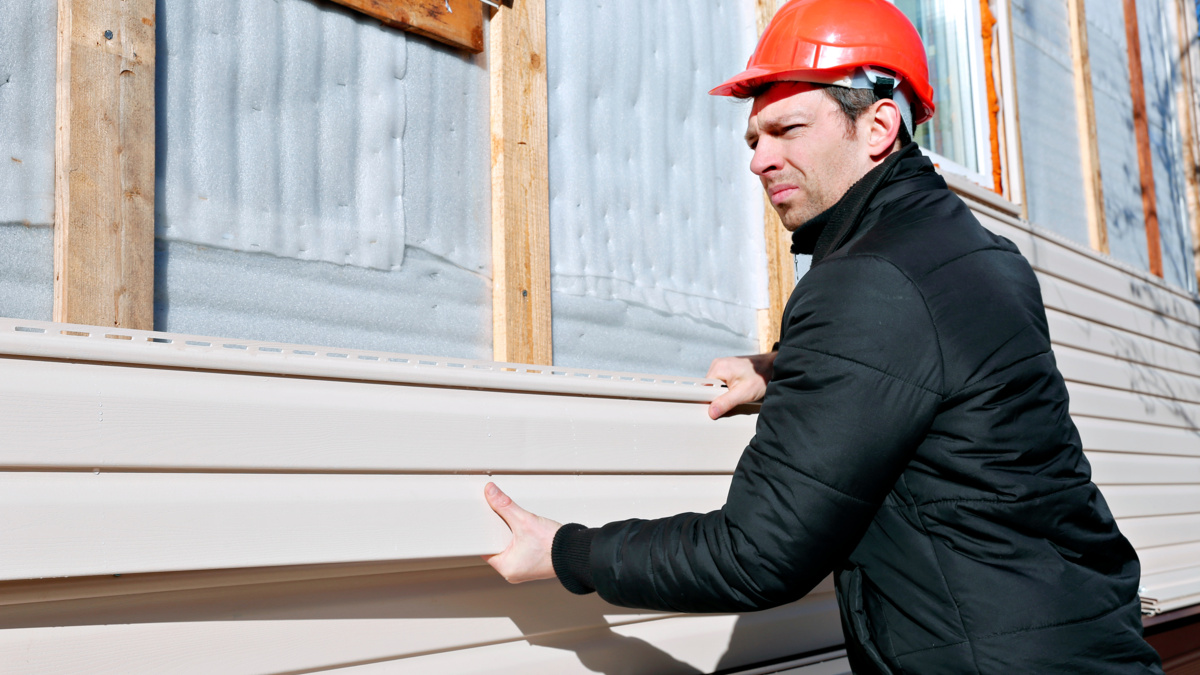
The winter question is really two questions: can this material go up in this weather, and does this wall need to be closed before spring? The answers point in the same direction more often than homeowners expect.
We have installed siding through Minnesota winters since 2009. We will tell you plainly whether your project should start now or wait for warmer weather, including when waiting is the better call. Contact Advantage Construction to schedule a free estimate.