

Coon Rapids Storm Damage Repair
On May 11, 2022, an EF-0 touched down on the northeast side of Coon Rapids and cut a three-mile path with 80 mph winds. The headline damage was not a roof. It was a tree that came down through a house and nearly split it in two, with the family inside and unhurt. Around 80,000 Xcel customers lost power that night.
That is how storms work here. Coon Rapids filled in through the 1960s and 1970s, and the trees planted alongside those houses are now full-grown and standing over them. Wind rarely reaches these roofs unobstructed. It arrives carrying branches. Advantage Construction inspects the full exterior, photographs what we find, and tells you plainly what the storm did.
What To Handle First
Work through these before anyone starts dragging branches to the curb.
- Assume every downed wire is live. A line on the ground, or a limb resting against one, is a 911 call. Report the outage to Xcel Energy and keep the area clear until crews have finished.
- Understand that cleanup is yours. Coon Rapids is direct about this. Residents are responsible for removing tree damage and debris on private property, and the city does not collect branches or storm debris left at the street. Plan for a hauler or a trip before you start piling anything up.
- Use the right number for the right tree. A damaged or hanging boulevard tree goes to the City Forester at 763-767-6455, who assesses on a case-by-case basis. Tree damage blocking a street goes to 763-767-6462. Anything standing on your lot is yours.
- Photograph everything before it moves. This matters more here than almost anywhere, because limb damage is cleaned up before it’s recorded. Shoot the branch where it landed, what it hit, and the marks it left. The Minnesota Department of Commerce Disaster Information Center says the same. Document first, discard nothing until your insurer has seen it.
- Know where debris goes. The Anoka County compost site sits in Coon Rapids on Hanson Boulevard and takes tree waste for a fee, open April through November, weather permitting. Your garbage hauler may take branches as part of the yard waste service for an added charge. Either way, photograph before you haul.
- Do the minimum to prevent further damage, and keep receipts. Tarping a puncture is expected of you. Paying for permanent repairs before an adjuster has looked is not, and it can cost you that item.
- Check the door knocker against the city list. Crews follow storms into Anoka County fast. Coon Rapids publishes its current licensed solicitors, so you can confirm whether the person at your door is actually registered before asking for their contractor license.
Getting It On Record Before Cleanup
No ladder needed. A roof that has taken a limb strike is less stable than it looks, and walking on it can smear granules in ways that muddy an inspection. Most of it you can inspect from the ground anyway.
Outside
- A wide frame of each elevation, then close-ups of anything that reads wrong.
- The branch itself, before it is cut up, and the point where it made contact.
- Scrape marks and granule loss running in tracks down a slope, which is what a limb leaves as it slides off.
- Granules collecting under downspouts and along the driveway.
- Dents in soft metal, which record hail size and direction more reliably than shingles. Gutters, downspouts, roof vents, and the AC condenser fins.
- Trim around windows and doors. Vinyl and aluminum trim cracks and pits, while the siding beside it looks fine, and adjusters check it early.
- Screens, glass, window cladding, and anything a branch struck on the way down.
- Fences, decks, sheds, and the detached garage.
Inside
- Ceiling and wall staining, particularly at exterior corners and below valleys.
- An attic look with a flashlight for daylight through the deck, damp sheathing, or wet insulation. After a limb strike, this is the check that matters most, because a punctured deck shows from underneath long before it shows from the street.
Worth Capturing Now
- A quarter photographed beside a hailstone. Quarter-sized hail is the standard reference for damaging hail, so that single frame carries weight.
- A note of the date, the time, and how long it lasted.
Bring all of it to the inspection. We take the roof, the elevations you cannot see, and the measurements.
How Storms Damage Coon Rapids Homes
Housing here runs to ramblers, splits, and two-stories from the 1960s through the 1980s, most of it now on its second or third roof, under a canopy that has had five decades to grow.
Limb and impact damage
This is the category that gets missed, because people assume a tree either falls or it does not. A branch can strike a roof, scrape a track of granules off on its way down, crack a ridge cap, puncture the deck, and end up in the yard looking like ordinary storm debris. Nobody connects the two. Impact damage also concentrates where overhanging limbs sit, which is rarely the slope facing the street.
Roof
Hail leaves a soft dark bruise where the granules are gone, and the mat shows through. Wind leaves creased shingles, tabs that no longer seal, and losses along ridges and rake edges. On roofs this age, a storm often exposes what is underneath as well, whether soft decking, plank sheathing with wide gaps, or an old layer that should have come off at the last reroof. These are the signs of roof storm damage worth knowing.
Siding
Hail cracks vinyl and dents steel and aluminum. Wind works panels loose at corners and top courses. Falling limbs punch and gouge, and on the older hardboard and aluminum siding still found on some homes here, an impact that would bounce off newer material opens a path for water.
Windows and Trim
Broken glass is the least common outcome and the easiest to spot. What gets missed is trim. The vinyl or aluminum trim wrapping each window and door cracks, pits, and pulls loose, and it deserves its own pass because homeowners almost never mention it. Add dented cladding, torn screens, and seals that fail and fog weeks later.
Gutters and Downspouts
Falling branches tear gutters off the fascia outright, which is obvious. Less obvious is a run knocked out of pitch or a hanger pulled halfway, which looks fine and holds water all winter. Dents in the trough also help establish hail size across the property.
Also Worth Checking
Fascia and soffit, roof vents, flashing, the AC condenser, decks, railings, fences, sheds, and the detached garage, which sits under the same trees as the house and falls off the claim more than anything else on the lot. Sorting what to do after a storm in the right order keeps them on it.
What Decides Repair Versus Replacement
Nobody can settle this from the curb. These are the questions that do.
- How widespread the damage is. Impacts get counted inside marked test squares on each slope and elevation, which turns a disagreement into a number your adjuster can use.
- Whether one area took a concentrated hit. A limb strike can destroy a section of an otherwise sound roof. Sometimes that is a repair. Sometimes the surrounding shingles are too brittle to work with, and that changes the answer.
- Whether the material can still be matched. Shingle lines get discontinued, and siding fades for decades, so on a house this age, a patch can end up more conspicuous than the damage was.
- What is under the surface. Soft decking, a punctured deck, or an extra shingle layer from a previous reroof all change the scope and sometimes the cost.
- How much life was left. If the roof was already near the end, a repair buys a season, and we will say so rather than sell you one.
On a house from the 1960s or 1970s, a limb strike to one slope may require only a repair or the whole roof, depending on how brittle the surrounding shingles have become. We will tell you which at the inspection. If it turns out the roof was already worn rather than storm-hit, that is a question of replacing an aging roof rather than filing, and we will say so.
Coon Rapids Projects
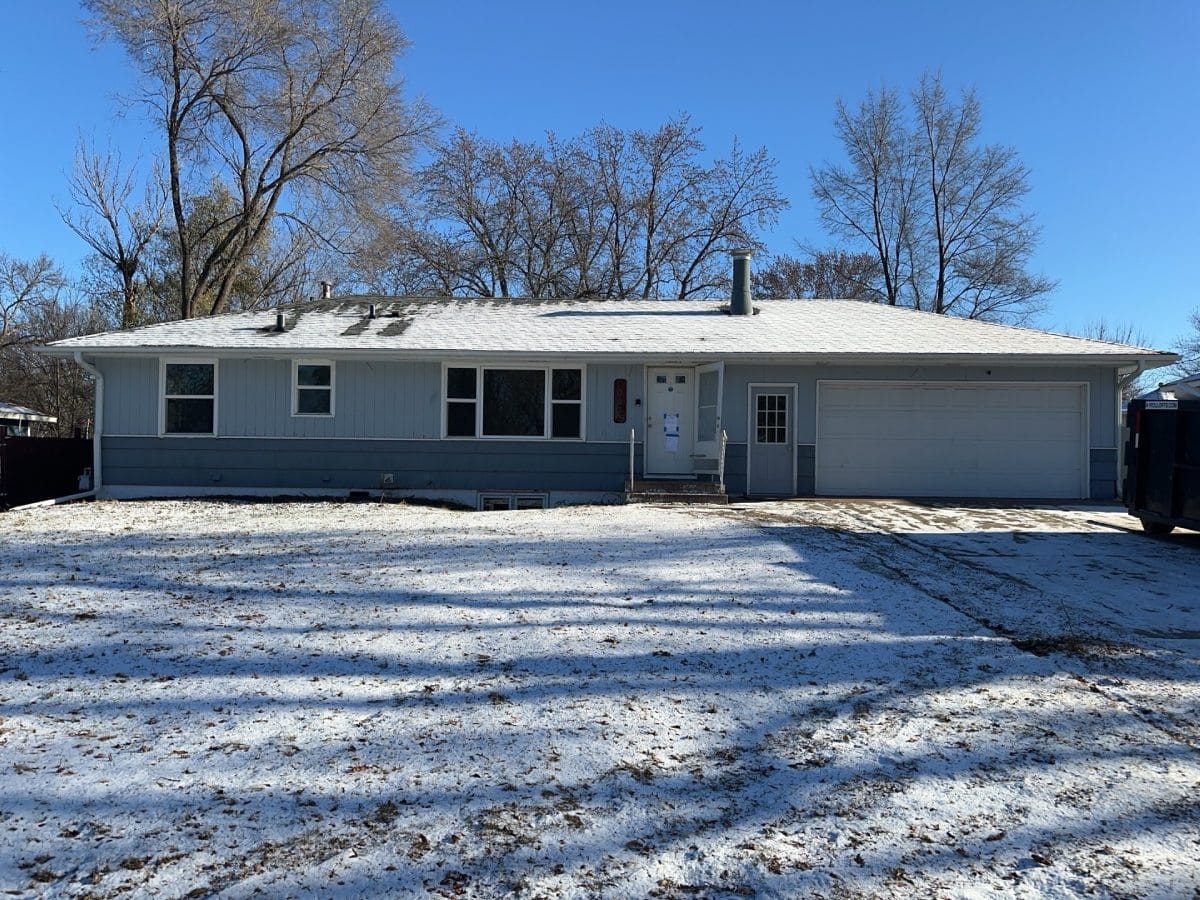
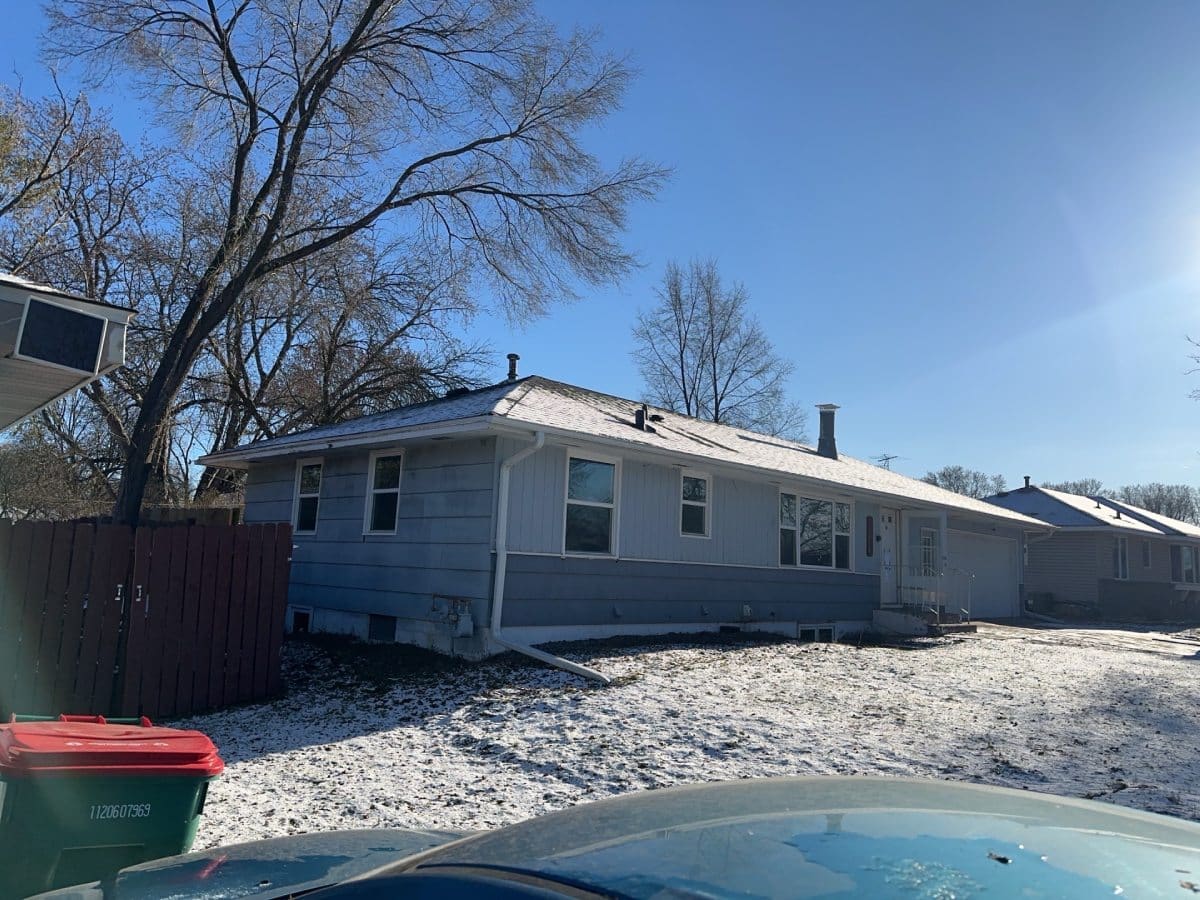
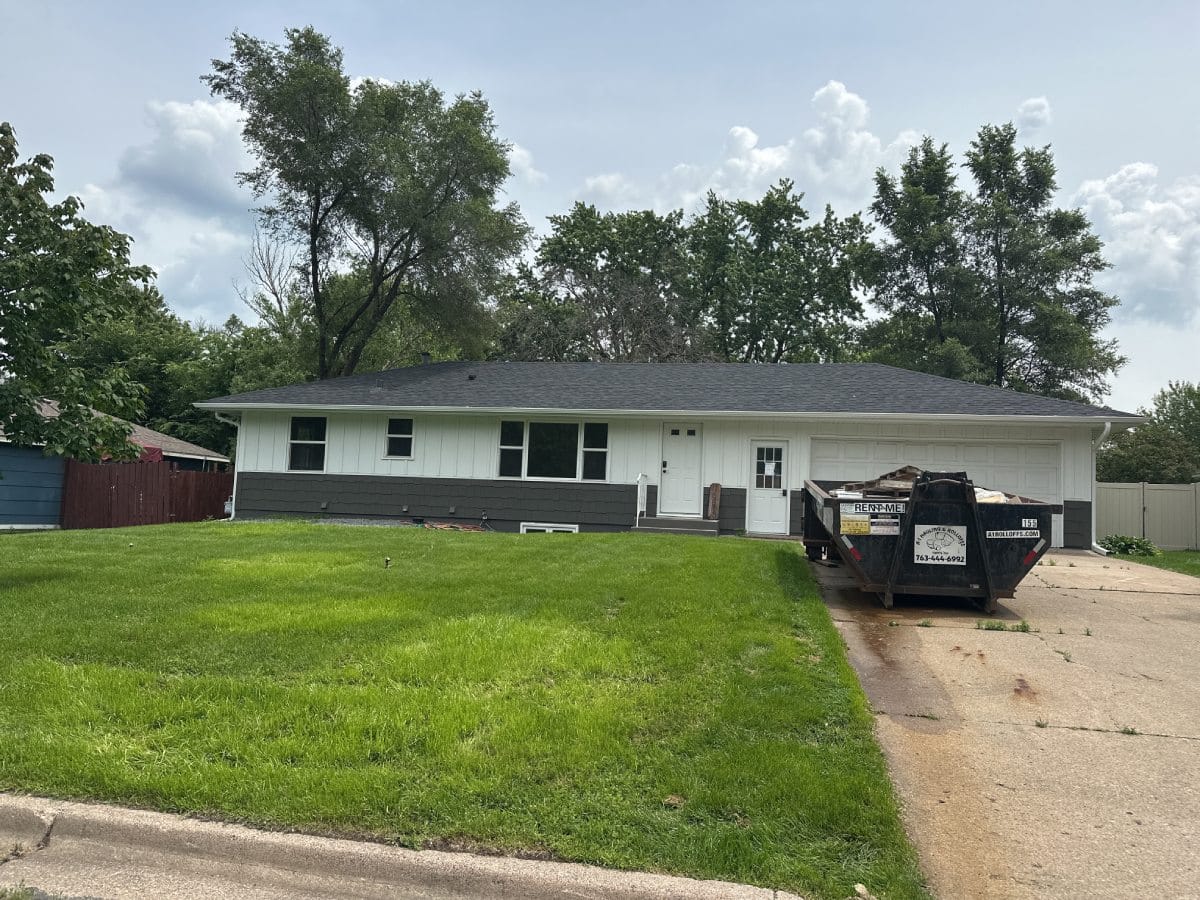
Coon Rapids Rental Property Renovation
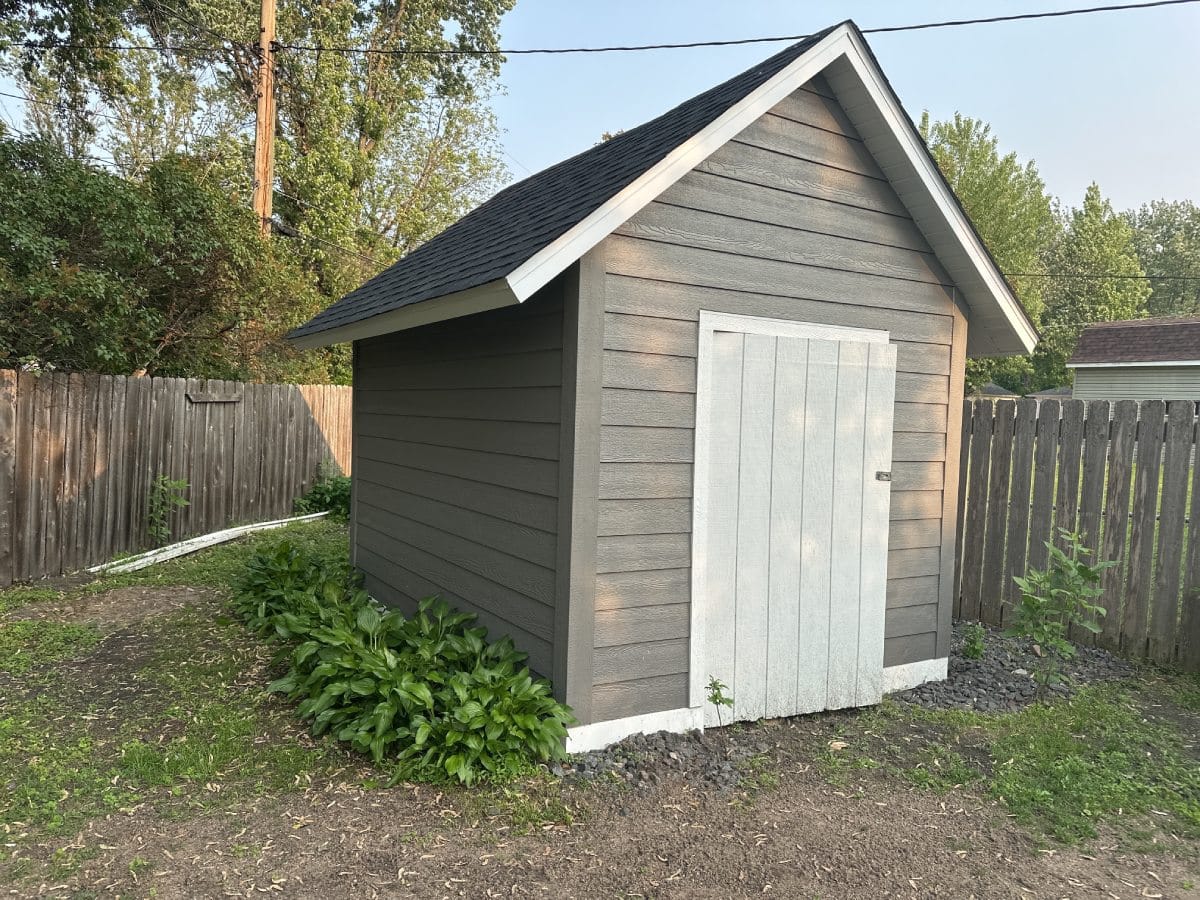
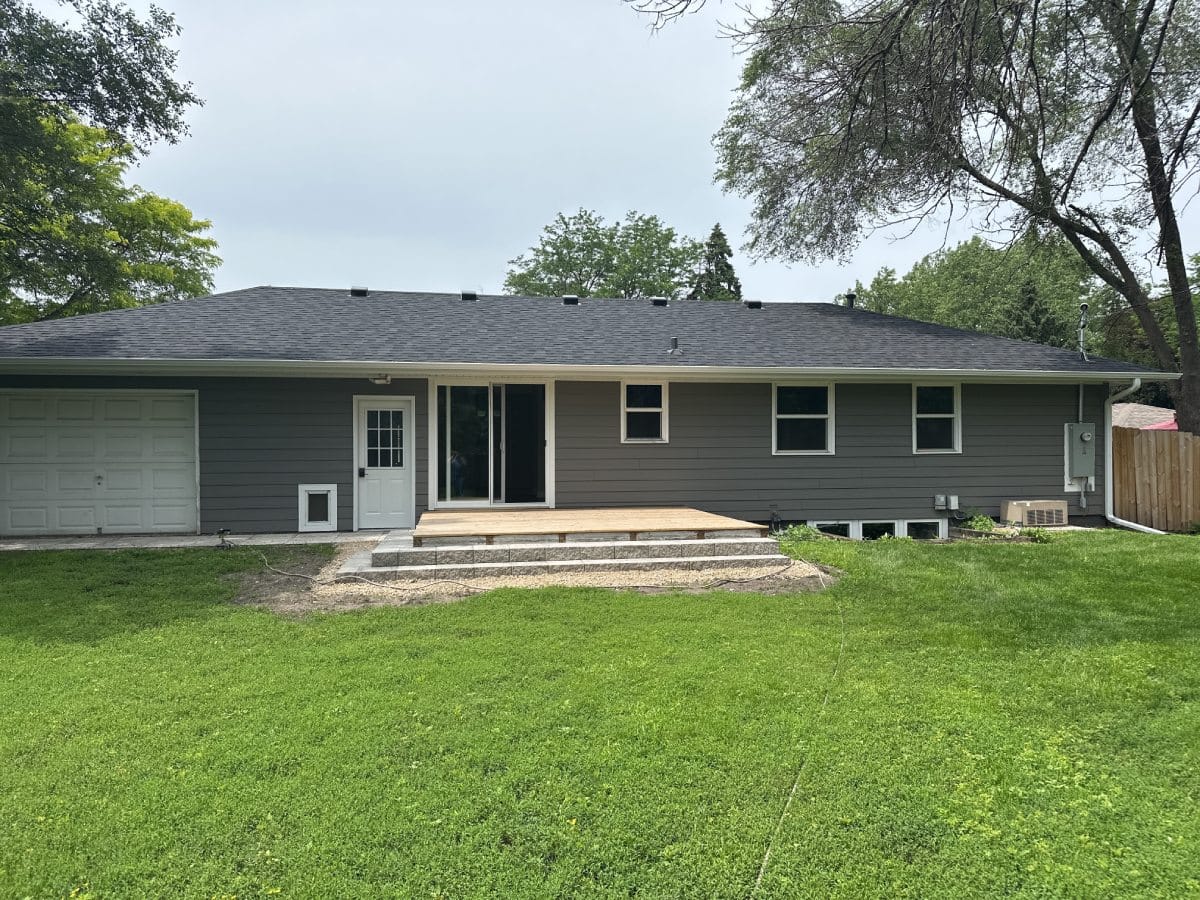
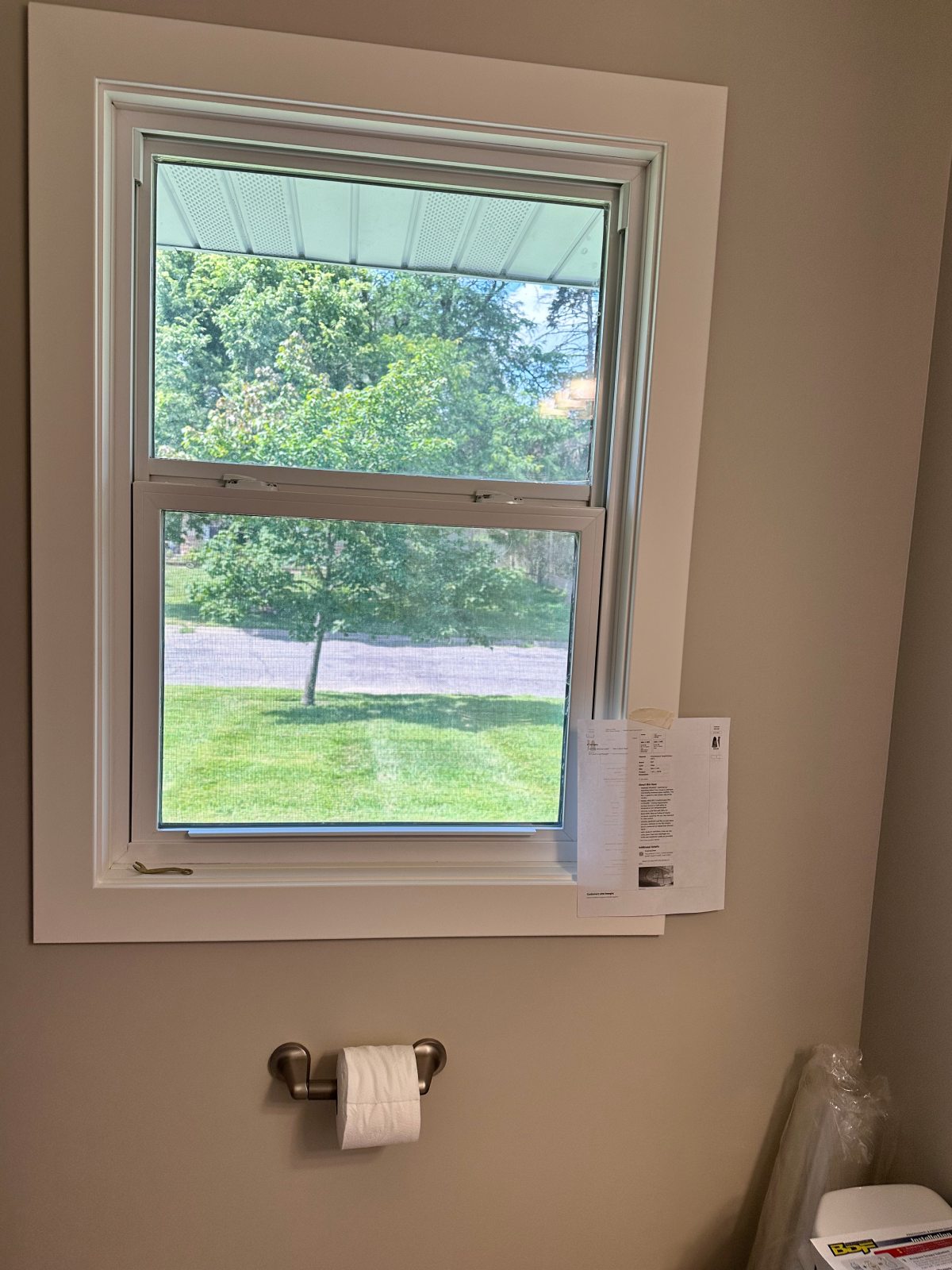
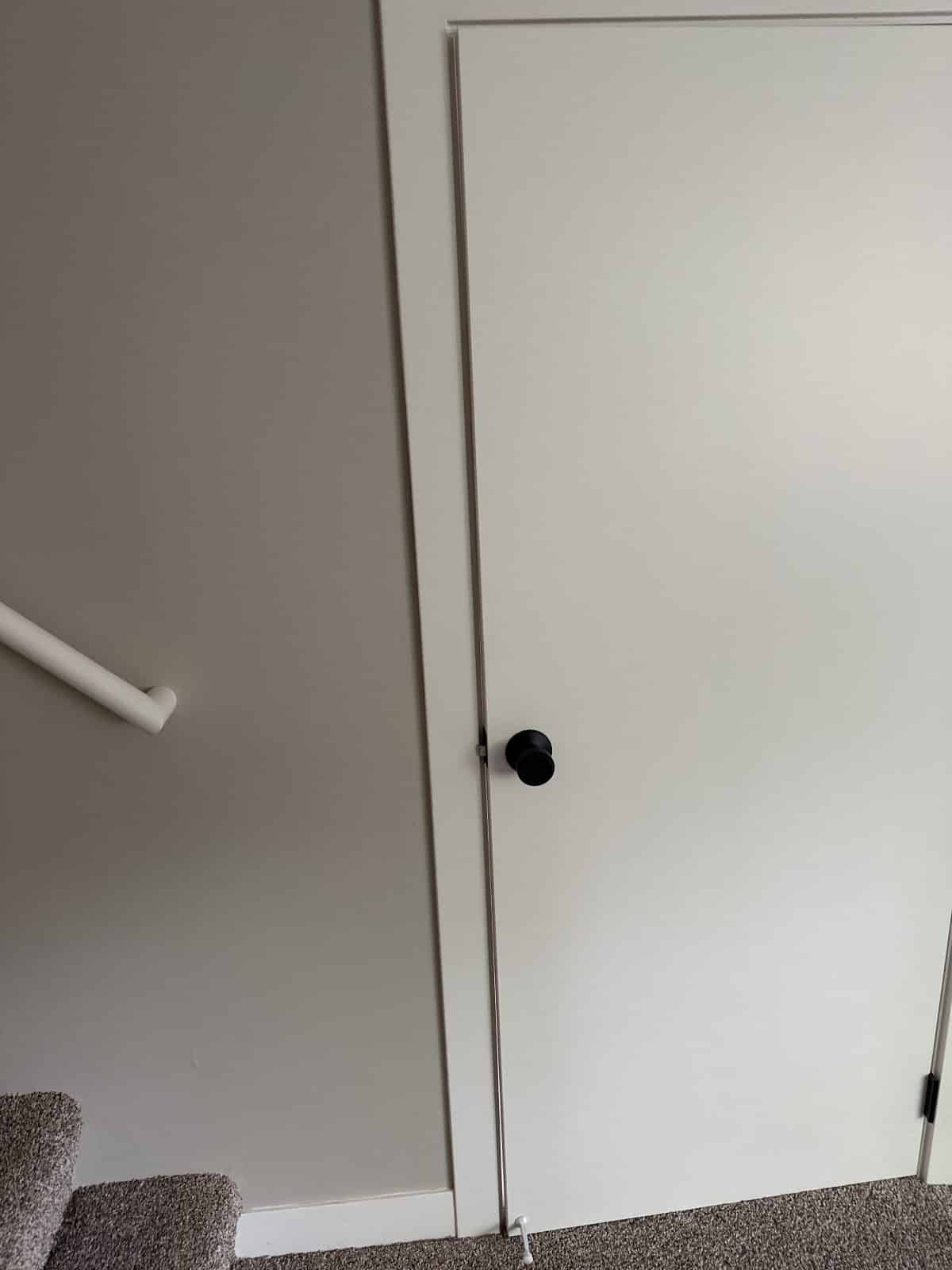
When a long-term tenant moved on, this Coon Rapids rental needed more than a touch-up to be ready for its next occupants, so Advantage Construction took it back to right. We replaced the roof, siding, gutters, windows, and doors, rebuilt the deck, and put fresh drywall through the interior, a full inside-and-out renovation rather than a patch here and there. The backyard storage shed got the same care: a new roof and new siding, so the accessory structure matched the finished house and picked up the same renewed protection against the weather.
The result is a property that reads as one cohesive, cared-for home from the street to the back fence, ready to hand to whoever lives here next.
Putting The Claim On Solid Ground
An adjuster writes from the scope in front of them, so the job is making sure nothing is missing before the estimate is written. Coverage is your carrier’s call, set by your policy, your deductible, and their view of the cause. Our insurance claims assistance gets the damage recorded properly. Tree damage has its own wrinkle. Removing fallen trees and repairing the structure are often handled separately under a policy, on different lines with different limits. Ask your carrier early rather than assuming.
How we handle it
- Every affected component photographed and dated, sheds and detached garages included.
- An itemized written scope covering roof, siding, windows, gutters, trim, and flashing.
- We are on site while your adjuster is, so both parties look at the same evidence together.
- Missed or disputed items get a written response with photographs attached.
- We pull the permits, meet the inspections, and keep the schedule inside your insurer’s repair window.
What the paperwork should tell you
- Watch for a deductible offer. Minn. Stat. § 325E.66 makes it illegal for a contractor to advertise or promise to pay, rebate, or absorb any part of your deductible as a way to win the work, and the estimate has to say so in writing. Anything shaved off the deductible resurfaces elsewhere on the claim, and the claim is in your name.
- Look for the cancellation notice. Under Minn. Stat. § 326B.811, you have 72 hours to back out of an insurance-funded roofing contract, in writing, after your insurer turns the claim down, and the contractor is required to attach a detachable notice spelling that out.
- Keep your claim in your own name. Handing your rights to a contractor through an assignment of benefits is governed by Minn. Stat. § 325E.67. We do not work that way.
- The contractor is your choice. Your insurer may point you toward one, but the decision stays with you.
- Expect a license number on the estimate. Minnesota runs residential contractor licensing through the Department of Labor and Industry, and the register is open to anyone.
- Check your own timeline. Policies set their own filing windows, and some in Minnesota apply a separate deductible to wind and hail. Your declarations page has both.
For questions about the claim rather than the repair, the Minnesota Department of Commerce Disaster Information Center is the state’s own resource, and its Consumer Services Center handles complaints against insurers.
Permits, Dumpsters, And Contractor Checks
Permits run through Building Inspections on Robinson Drive. Your contractor pulls them, but a few local rules are worth knowing before work starts.
Roofing, siding, and windows all require permits. Coon Rapids requires building permits for nearly all structural improvements, and roofing, siding, and window replacement are explicitly on the list. Inspections are required, and it falls to the applicant to schedule them.
The city does not license building contractors. A city license is required only for sign contractors. Everyone else works on a state license, which the city expects to be valid and bonded, and registered contractors link to the permit system with an issued PIN. Check that license yourself.
The permit form asks for a lead certification number. Coon Rapids collects an EPA lead certification number on the building permit application, which makes sense in a city where most housing predates 1978. Advantage’s is NAT-F189197-2, valid through July 30, 2028, and listed on the EPA firm locator, so that line gets filled in rather than argued about.
Dumpsters have a time limit and a location rule. A dumpster may sit on residential property for one month or six months for associations with an active permit. They are not allowed on city streets and must stay on private property. Confirm your contractor knows this.
Permits expire. A permit becomes void if work has not begun within 180 days or if it stalls for more than 180 days. After a heavy storm season, the job queue, so watch the date.
Where We Work In Coon Rapids
The older neighborhoods south of Coon Rapids Boulevard sit along the Mississippi under mature trees. The 1970s and 1980s blocks around Hanson and Foley carry the same canopy. Newer construction runs north past Main Street toward Bunker Hills. We work all of it, single-family through small multifamily, plus the sheds and detached garages beneath the same trees. Beyond the city, our service areas cover the metro, greater Minnesota, and western Wisconsin.
Repairs We Handle After a Storm
A storm rarely damages one component and stops, so all four get scoped together instead of quoted piecemeal.
- Roof repair and replacement handles limb punctures, hail bruising, and wind creasing, along with the decking, flashing, and old layers that a tear-off tends to uncover on a house this age.
- Siding installation covers gouged and cracked panels, elevations matched for color and profile, and the barrier and flashing behind them.
- Window replacement takes in glass, sash, and full units, plus the cladding and the trim around each opening, which sees more damage than the glass does.
- Seamless gutters mean new runs, downspouts, and extensions, refastened to solid fascia and pitched so winter does not start with ice dams.
One crew, one scope, one claim, rather than four contractors pointing at each other.
Why Homeowners Here Call Us
The hard part in Coon Rapids is not the roof. It is spotting the limb strike that scraped a track of granules and moved on, then getting it on paper before the branch is hauled. Working with us is mostly that: finding it, and proving it.
- We inspect for impact, not just hail. Limb strikes leave scrape tracks, cracked ridge caps, and punctured decking, and all three are easy to walk past once the branch has been hauled away.
- We check under the surface. On 1960s and 1970s houses, what the storm exposed often matters as much as what it broke.
- We check the trim and the outbuildings. Both come off claims routinely, and both are harder to add once the estimate is written.
- We document rather than assert. Photographs, measurements, and a scope that your adjuster can work from.
- We are still reachable in year six. Minnesota-based, licensed, and here long after the storm, crews have moved on.
- Credentials you can verify. Owens Corning Roofing Platinum Preferred, Owens Corning Top of the House certified installer, BBB A-rated, 4.8 stars across 700+ Google reviews. Bilingual project managers available.
None of it commits you to anything. Take the documentation, get a second opinion, and read up on how Minnesota homeowners win storm claims if you want the fuller picture.
Schedule Your Free Coon Rapids Storm-Damage Inspection
Get on the schedule before the cleanup finishes, because once the branches are gone, the evidence goes with them.
An hour on site gets you photographs of every damaged component, a written scope your adjuster can use, and a straight answer on whether filing is worth your deductible. Have the storm date ready when you call, and mention any active leak or roof puncture first, because that moves you up the list.
Frequently Asked Questions
A branch hit my roof, but the tree is still standing. Is that worth a claim?
Often, yes, and it is the most commonly missed damage in Coon Rapids. A limb can scrape a track of granules off, crack a ridge cap, or puncture the deck and then end up in the yard looking like ordinary debris. Photograph the branch and the contact point before anything gets cut up.
Who cleans up the tree debris?
You do. Coon Rapids does not collect branches or storm debris left at the street, so it is either your hauler as part of yard waste service or a trip to the Anoka County compost site on Hanson Boulevard. Damaged boulevard trees are different and should be reported to the City Forester at 763-767-6455.
Does insurance cover removing the tree as well as fixing the house?
Sometimes, but they are often treated separately with separate limits, and the answer depends on your policy and your carrier. Ask about both when you open the claim rather than assuming one covers the other.
How soon should I get inspected?
As soon as you can. Policies carry filing deadlines, and storm damage rarely leaks in its first season, so a roof can look normal from the driveway while the window closes. Booking a storm-damage roof inspection early also ties the damage to a specific date.
Will insurance cover the damage?
It comes down to your policy, your deductible, and how your carrier reads the cause. Wind and hail are usually covered, though some Minnesota policies apply a separate deductible to them. Our part is the documentation. The coverage call is the insurer’s.