

Plymouth Storm Damage Repair
Plymouth takes more than its share of severe weather for a west-metro suburb. On September 21, 2025, hail reported at up to two inches, the size of a hen’s egg, fell across the area, and the summer before, an August 2024 storm ran through central Hennepin County with 60 mph gusts and a National Weather Service warning that named Plymouth directly for damage to roofs, siding, and trees. Neither was a fluke. The hail record here runs heavy year after year.
What that means for a Plymouth homeowner is that “did my house get hit” is rarely a simple yes or no. Two-inch hail damages one street and skips the next, and the damage it does often will not leak or show from the ground for a season or more. Advantage Construction inspects the full exterior of your Plymouth home, roof, siding, windows, gutters, and the trim and metal in between, documents whatever the storm actually did, and gives you a straight read on whether it is worth a claim.
What to Do Right After the Storm
The first day or two shapes how a claim goes. Here’s a short, ordered list you can follow:
- Stay away from anything electrical. A downed line, or a limb leaning on one, is a call to 911 and to Xcel Energy, not something to approach. Nothing else here is worth that risk.
- Photograph before you clean up. The evidence leaves with the debris. Shoot the damage where it sits, before the branches are dragged off and the broken pieces are cleared. The Minnesota Department of Commerce keeps a Disaster Information Center with the same guidance: document first, and hold anything damaged until your insurer has seen it.
- Make temporary protection only, and keep receipts. A tarp over a break or a bucket under a drip is what your policy expects. A permanent repair before the adjuster sees the damage is the misstep, since it erases the thing they came to assess.
- Write down the storm date. With Plymouth’s frequency of hail, the specific date matters, and a claim filed against the wrong event turns into a problem later. If you saw the stones, note the size.
- Be careful with the door-knockers. Storm crews work Plymouth’s subdivisions fast, and out-of-state operators follow the hail in. Ask anyone at your door for a Minnesota contractor license before they get on a ladder, and treat any offer to cover or rebate your deductible as a reason to say no. Many cities require solicitors to carry a permit, so it is fair to ask for that too.
How to Check for Damage Without Climbing Up
You do not need to be on the roof, and after a storm it is a genuinely bad idea. Loosened shingles slip underfoot, and a hail-struck slope scuffs when you walk it, which muddies the very inspection you are trying to help. A camera from the ground, a window, and the attic will cover most of it.
Outside, shoot each face of the house wide, then zoom in on anything that reads wrong. Watch the ridgeline and the roof edges, where wind lifts shingles first, and the ground under the downspouts, where washed-out granules pile up after hail. Run your eye along the soft metal, gutters, downspouts, vents, the AC condenser fins, because dents in metal record hail size and direction more truthfully than shingles do. Check the trim wrapping the windows and doors; on Plymouth’s vinyl-and-aluminum-clad subdivisions it cracks and pits under hail even when the wall beside it looks fine, and adjusters look at it early. Then the screens, the glass, the deck, the fence, and any shed.
Inside, look for staining spreading across ceilings or down interior corners, and take a flashlight into the attic for daylight through the deck or damp along the sheathing.
If you caught a hailstone, photograph it beside a quarter before it melts, an inch across is where hail begins doing real harm, and after September 2025, plenty of Plymouth stones were double that. Bring all of it to the inspection, and we add the roof, the angles you cannot see, and the measurements.
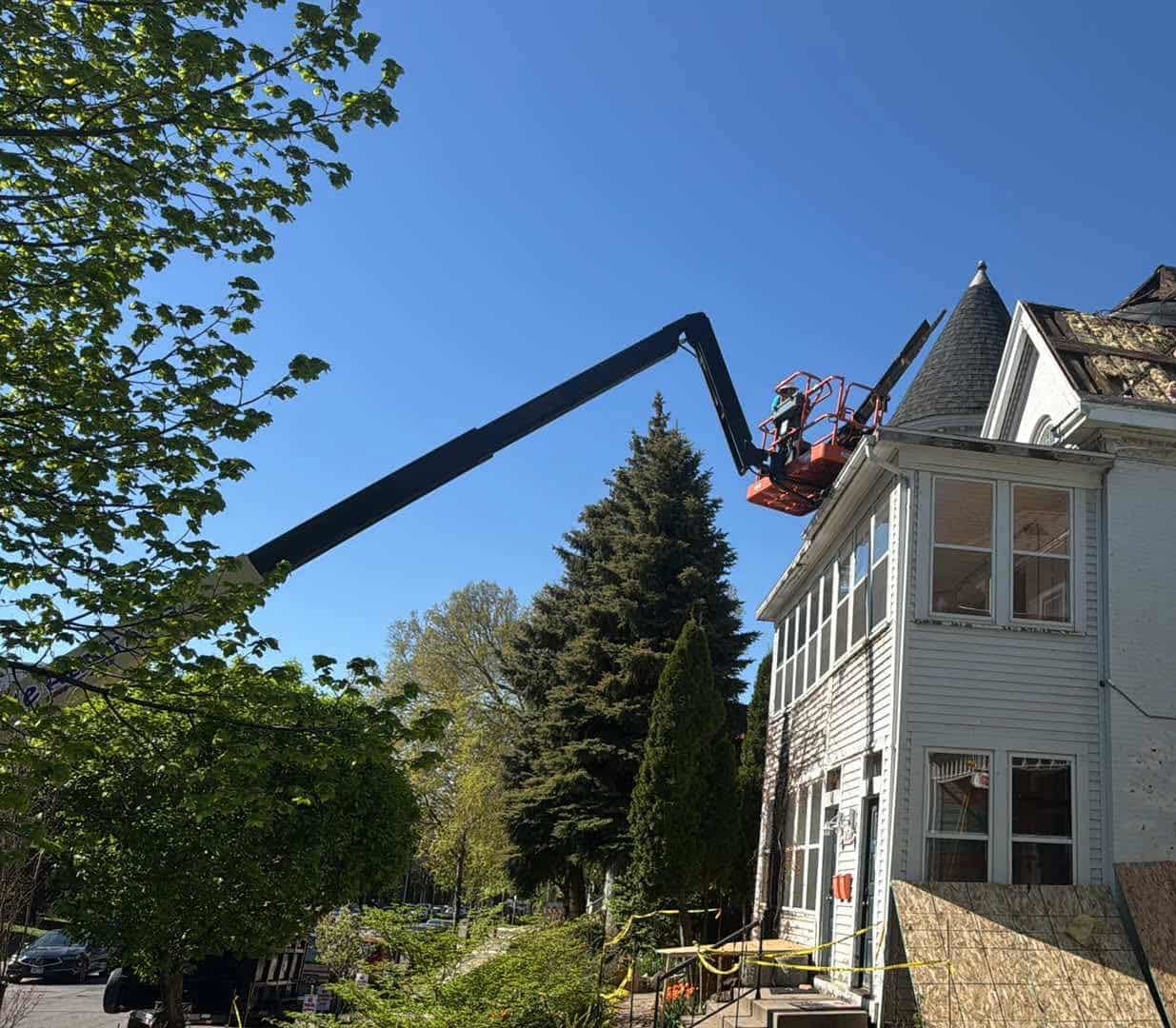
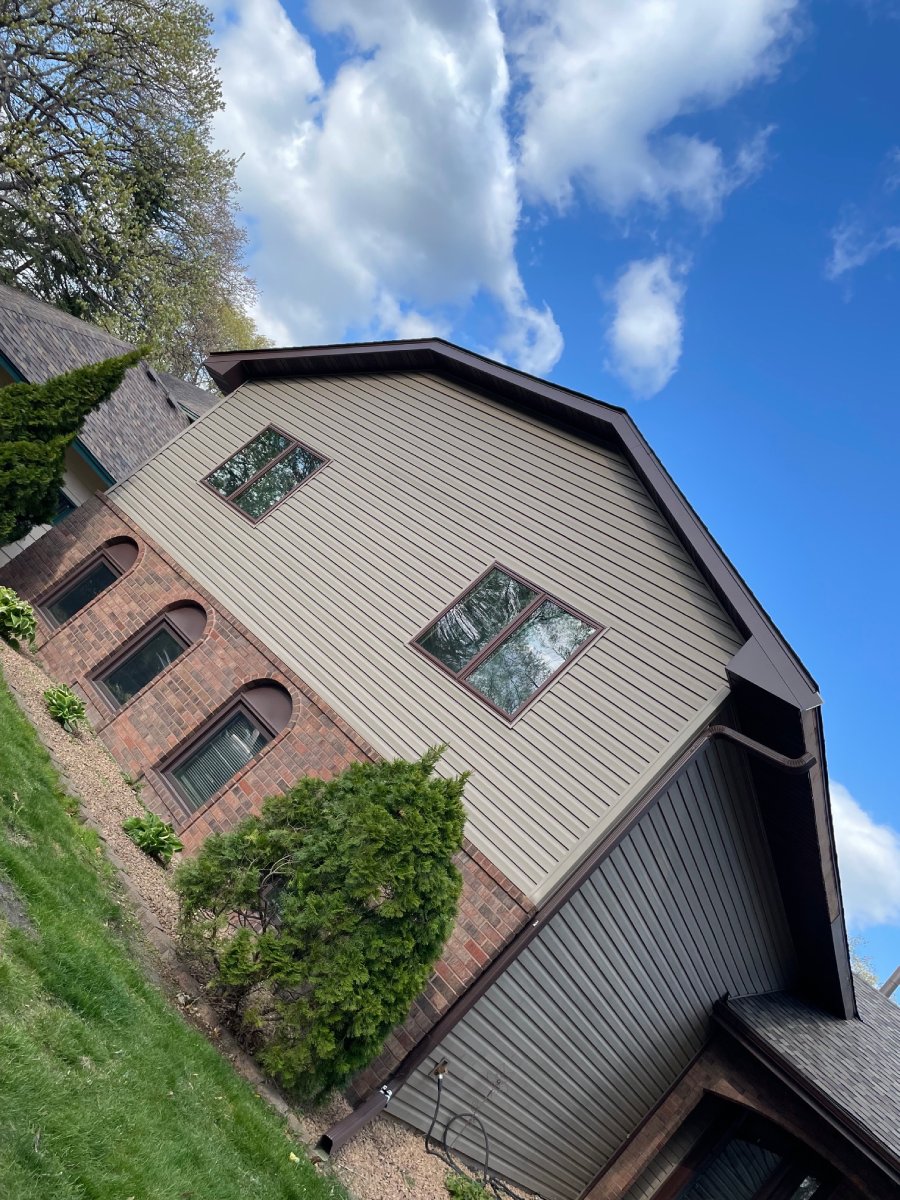
What Storm Damage Looks Like on a Plymouth Home
Hail and wind rarely announce what they broke. Some of it shows the next day; most of it waits. Here is where storm damage actually turns up on a Plymouth home, component by component.
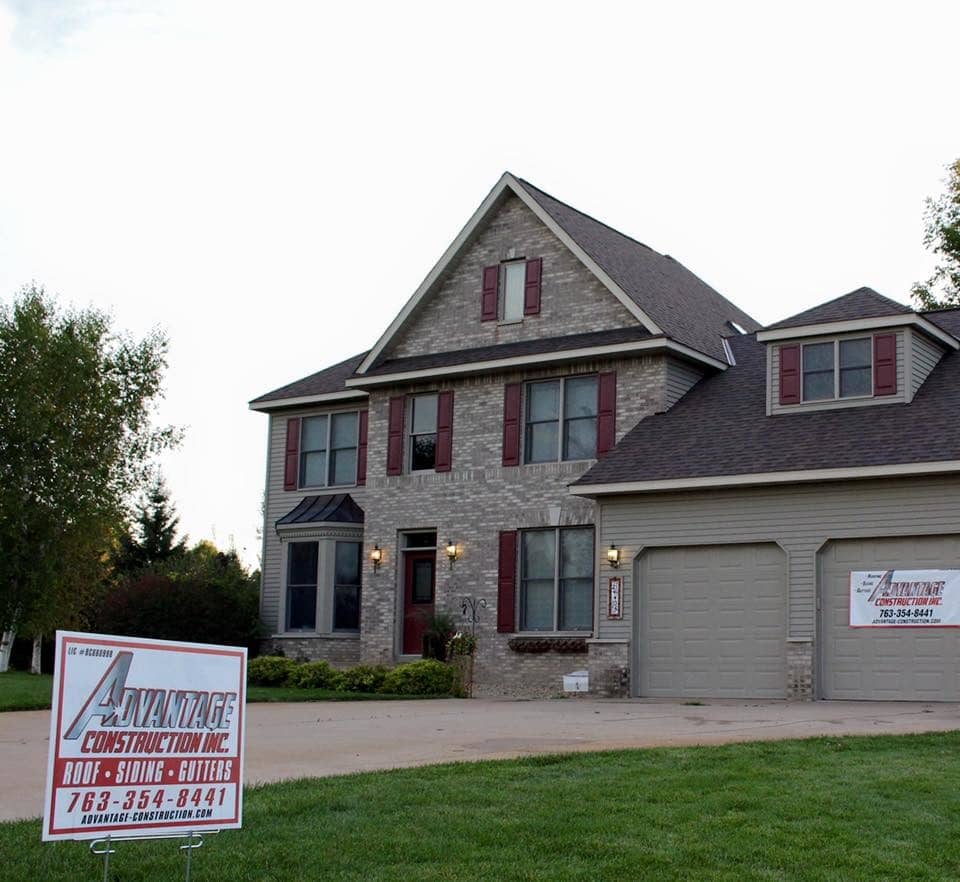
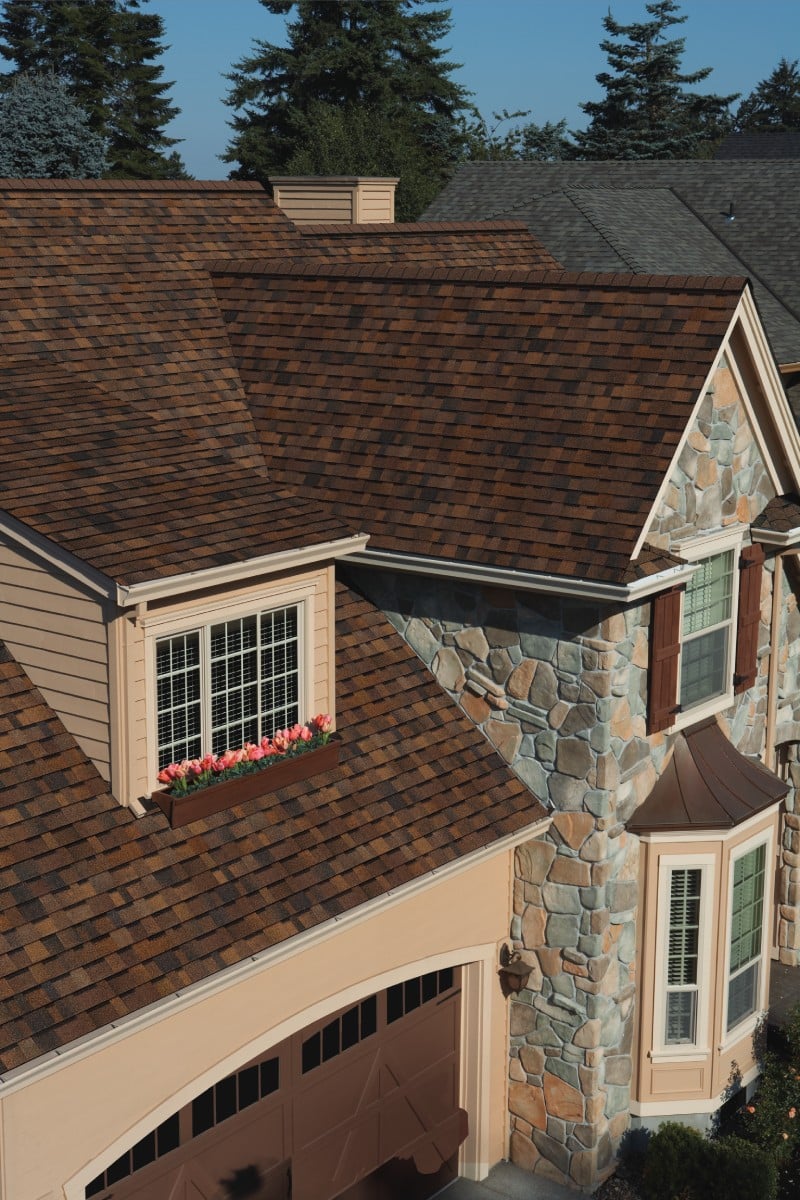
The roof. Hail strips granules and leaves a dark bruise where the mat shows; wind creases shingles, breaks the seal, and tears them off at the ridge and rakes. Plymouth’s steep two-stories lose the most at the peak, where wind gets the most leverage. On older east-side homes already on a second roof, a storm can be what ends it.
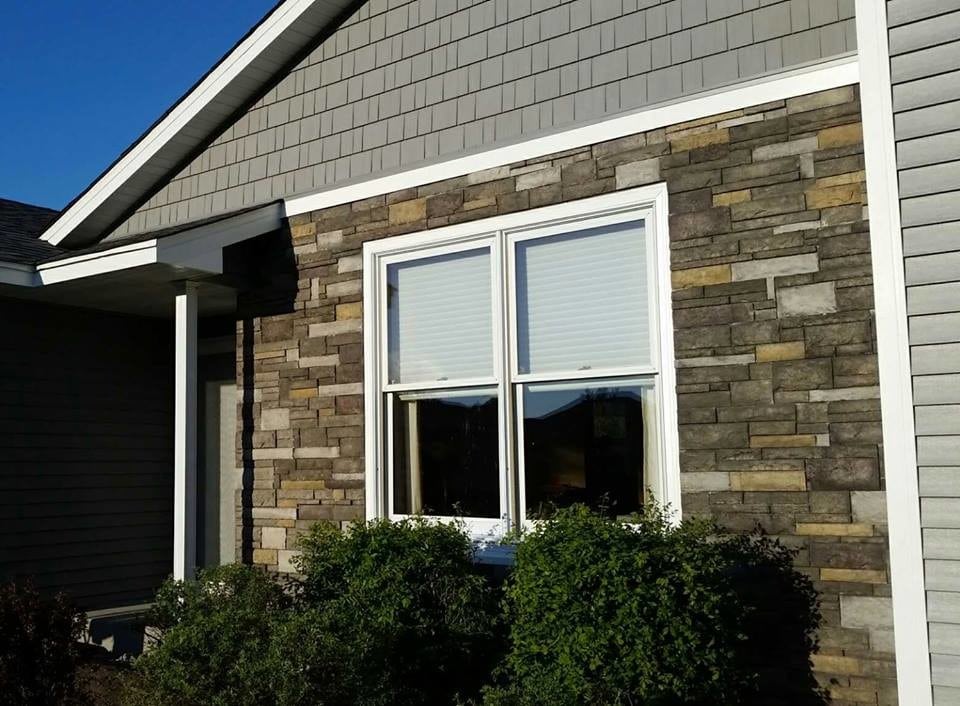
The siding. Plymouth’s mostly-vinyl subdivisions crack under hail, sometimes as fine splits you catch only in raking light. Wind loosens panels at the corners and top course, and a loose panel looks fine while letting water in behind it. Wind direction that day decides which elevation took the worst.
The windows and trim. Broken glass is obvious and rare. The missed damage is subtler: dinged cladding, punched screens, seals that fog weeks later, and the trim around each opening. That trim takes hail readily on this housing stock and almost never makes a first claim, so it earns its own look.
The gutters, fascia, and soffit. Plymouth’s undersized 5-inch gutters on steep rooflines dent under hail, which helps size the stones across the property. Wind pulls gutters off the fascia and peels soffit from its channel. A gutter left out of level is where next winter’s ice dam starts.
Everything Else. Flashing, roof vents, the AC condenser, the deck, and any detached shed or outbuilding, which takes the same hail as the house and drops off claims more than anything else on the lot.
Storm Damage, or Something Else?
Not every mark is a claim, and a good inspection separates storm damage from ordinary wear before you ever file. Five things settle it, and we work through each on site:
- how widely the impacts spread across each slope
- whether the shingle or siding can still be matched
- what the decking underneath is doing
- how much service life the roof had left
- whether the damage traces to the storm or to age and weathering
On Plymouth’s older east-side roofs especially, that last question matters, because a roof near the end of its second life can show wear that looks like storm damage and is not.
If it is genuine storm damage, we document it thoroughly and stand with you through the claim. If it is age, you will hear that from us, and a planned roof replacement on your own schedule is often the better road than a claim that will not pay.
Plymouth Projects
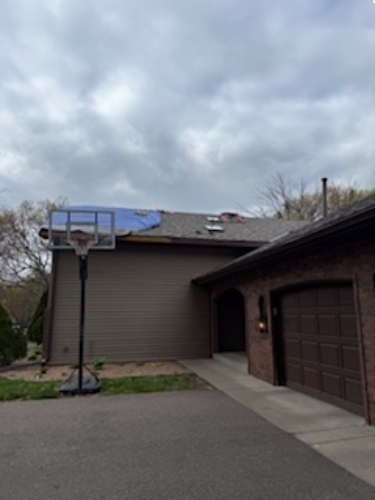
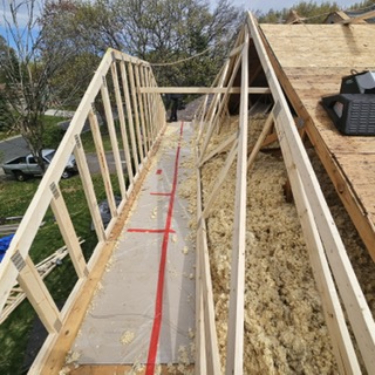
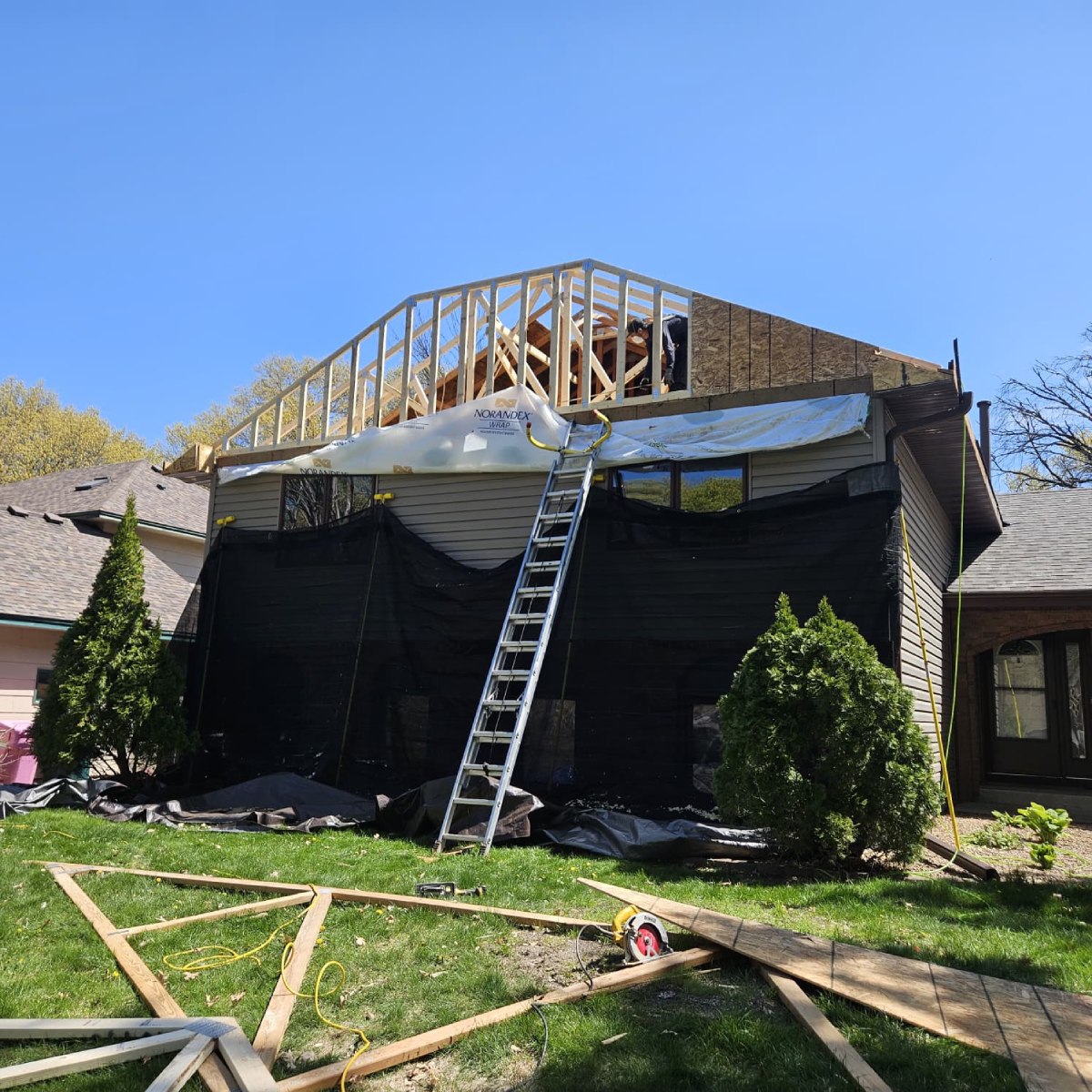
Documenting the Claim and Working With Your Adjuster
An adjuster acts on what is written into the scope, so the work is making sure nothing gets left out of it. Whether the loss is covered is the carrier’s decision, and it turns on your policy, your deductible, and how they read the cause; no honest contractor promises the outcome up front. What we can promise is a complete record: every damaged component photographed and dated, an itemized written scope, and one of our project managers on site with your adjuster so both are reading the same damage rather than trading messages afterward. If something is missed, we put it back in writing with the photos.
More on how we handle the paperwork is on our insurance claims assistance page. One thing worth knowing before you sign with anyone: under Minn. Stat. § 325E.66 a contractor cannot legally pay or rebate any part of your deductible to win the job, so an offer to do so tells you how that company operates.
Permits and Repairs in Plymouth
Storm repairs in Plymouth are permitted work. Reroofing, siding, and window replacement all require a permit from the city’s Building Inspection Division at City Hall on Plymouth Boulevard, and reroof permits are often issued at the time of application for a licensed contractor. Gutter replacement does not require a permit here, which is worth knowing when a bidder tries to add one.
Two Plymouth details matter after a storm. First, if your neighborhood has an HOA, exterior repairs usually need architectural review and approval before work begins, even storm repairs, so we start that process early rather than let it stall the job. Second, homes built before 1978 likely have lead paint under the current finish, and cutting into it calls for a certified crew; Advantage is an EPA Lead-Safe Certified Firm (NAT-F189197-2, valid through July 30, 2028), which you can confirm on the EPA firm locator.
Where We Work in Plymouth
Across the city, from the established neighborhoods east of County Road 101 and around Medicine Lake and Parkers Lake to the newer subdivisions along Vicksburg Lane and the western edge. Single-family, townhome, and the many association-governed communities in between, plus the sheds and outbuildings behind them. Past the city line, our service area runs across the west metro, greater Minnesota, and western Wisconsin.
Other Exterior Work We Handle
Storms rarely damage a single component, so we scope the whole exterior at once rather than sending you out for four separate bids.
- Roofing, from hail bruising and wind-creased shingles to the decking, flashing, and ventilation a tear-off uncovers.
- Siding, cracked and wind-loosened panels or full elevations, matched to your color and profile and cleared through HOA review.
- Windows, glass and full units, plus the cladding and trim that take more of a storm than the glass.
- Gutters, new seamless runs sized for steep Plymouth rooflines, set at the right pitch to keep winter ice dams from starting.
Why Plymouth Homeowners Call Us
After a storm, every roofer sounds the same. The difference is what they catch that you missed, and whether they can prove it to an adjuster.
- We clear the HOA first. Architectural review, material approval, and the paperwork. Handled, not handed back to you.
- We read the whole exterior. Trim, gutters, soffit, and the shed out back. That’s where the first claims leave damage behind.
- We know Plymouth’s patterns. Peak shingle loss on steep two-stories, hidden damage on shaded lake slopes, hail size told by the gutter dents.
- We prove it, not claim it. Photos, measurements, and a scope that your adjuster can act on the first time.
- We’re here in year six. Licensed in Minnesota, BC660998, long after the out-of-state crews chase the next storm out.
- Our credentials hold up. Owens Corning Platinum Preferred, EPA Lead-Safe, BBB A-rated, 4.8 stars over 700-plus reviews.
Schedule Your Free Plymouth Storm-Damage Inspection
The sooner you book, the easier the damage is to tie to the storm that caused it, and the less room your insurer has to attribute it to age. An hour on site gets you a photographed record of every damaged component, a written scope your adjuster can work from, and a plain answer to whether this is worth filing at all. Have the storm date ready, and if water is coming in now, lead with that so we can move you up the schedule. Contact Advantage Construction to book your inspection.
Frequently Asked Questions
Did the September 2025 hail actually damage my roof?
It may have. Hail was reported up to two inches across the Plymouth area that day, well past the size that bruises shingles and cracks siding, but hail is narrow, and one block can be hit hard while the next is spared. The damage also often will not leak for a season. An inspection is the only reliable way to know for your address.
How soon after a storm should I get inspected?
Sooner helps twice. Your policy has a filing deadline, and hail damage that does not leak right away is easier to tie to a specific storm when it is documented early. Given how often Plymouth takes hail, pinning the damage to the right date matters.
My home is in an HOA. Does that change a storm repair?
Usually. Most Plymouth associations require architectural review and approval of materials and color before exterior work, storm or not. We start that approval early and handle the paperwork so it does not hold up the repair.
Will insurance cover the damage?
That depends on your policy, your deductible, and your carrier’s read on the cause. Wind and hail are commonly covered perils, though some Minnesota policies carry a separate wind-and-hail deductible. We document the loss in full; the coverage decision belongs to your insurer.
Do I need a permit for storm repairs in Plymouth?
For reroofing, siding, or window replacement, yes, through the city’s Building Inspection Division, and your contractor should pull it. Gutter replacement does not require a permit in Plymouth.